Again With the Casemaking Moths and Possible Easy Solution

I am in the process of cleaning and clearing my studio in order to have enough space to begin a new project.

While cleaning my work bench I found casemaking moths.
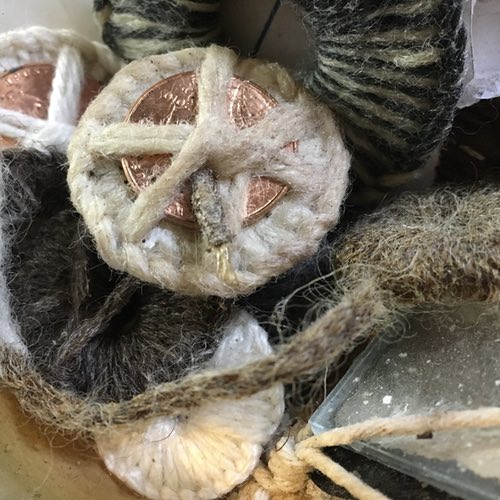
Casemaking Moths

Casemaking moth in a small bowl of cold wax test pieces.
The casemaking moth is in the center on the penny bound with wool.

Finding the casemaking moths brought to mind a recent conversation I had with an entomologist. I specifically asked him how to address the casemaking moth problem.

He said that an easy solution was to put my work in the my car. What would that accomplish? One of the ways to kill casemaking moths is to use heat. He also recommended tossing the stuff in a plastic bin with a few moth balls. I don’t recall which moth balls he recommended, naphthalene or paradichlorobenzene. I would prefer not using chemicals.

But, it never occurred to me to use the heat in the car. That would be an easy fix, especially since most of my work will not fit in the freezer.

He mentioned that his wife had success killing an insect infestation in the wood horn of a recently purchased used saddle.

Previous Posts
It is Not a Pod…

What Happened?

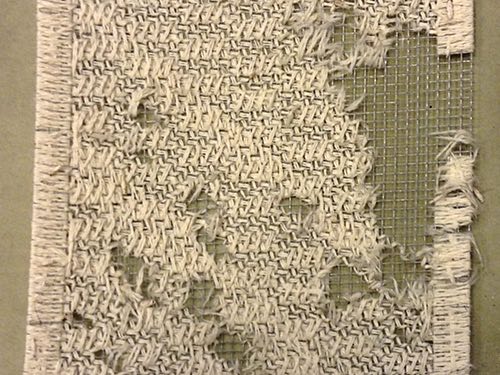
Casemaking Moth Damage

Casemaking Moth Damage–Alpaca yarn embroidered on harware cloth.

Tinea pellionella

A Perfect Environment for Moths


Would the interior temperature in a car kill moths?

American Veterinary Medical Association
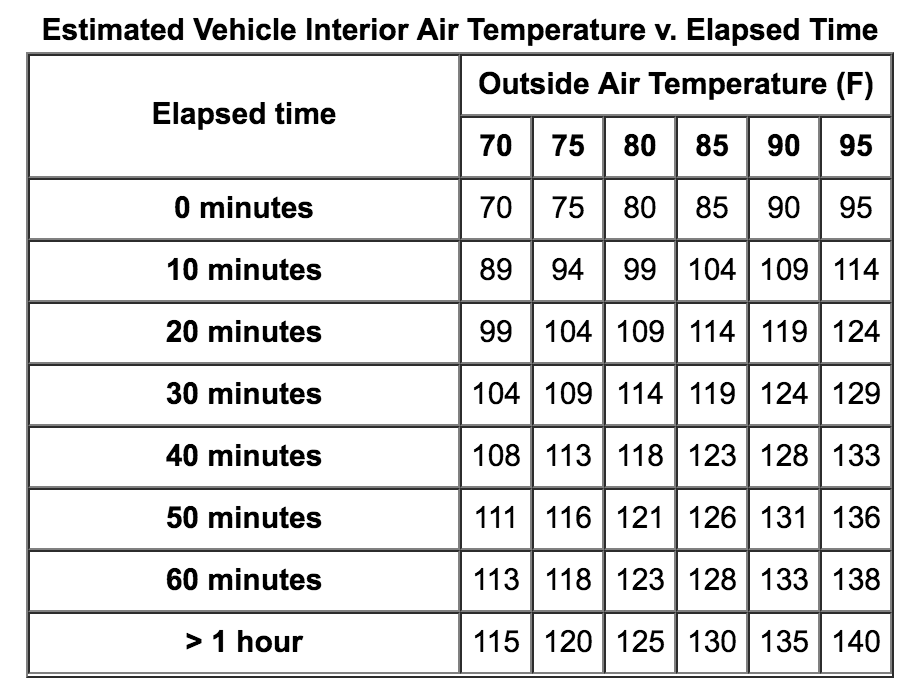
AVMA Temp Chart

The AVMA credits–Jan Null, CCM; Department of Geosciences, San Francisco State University,
for creating the estimated vehicle interior temperature chart.

Alternatives, A Washington Toxics Coalition Fact Sheet, Clothing Moths-Prevention and Control by Jennie Goldberg states–“High heat (in excess of 99”F for one week) will destroy all life stages of the moth.”

It appears that the interior temperature of a car will kill moths.
Need to perform some tests to find out for sure.
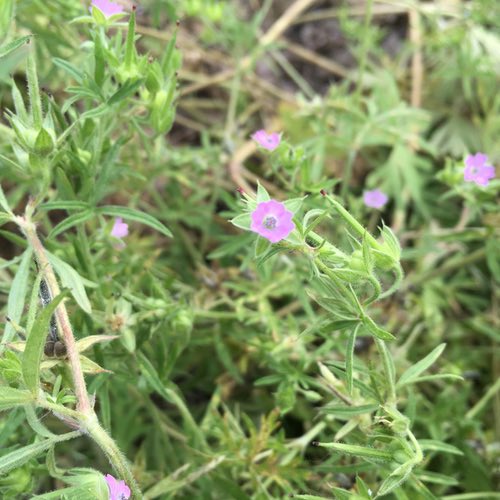
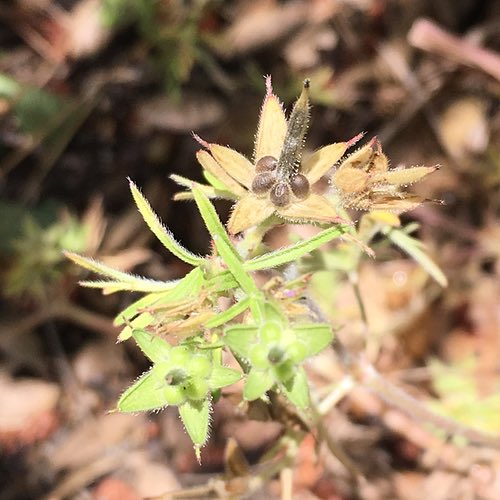
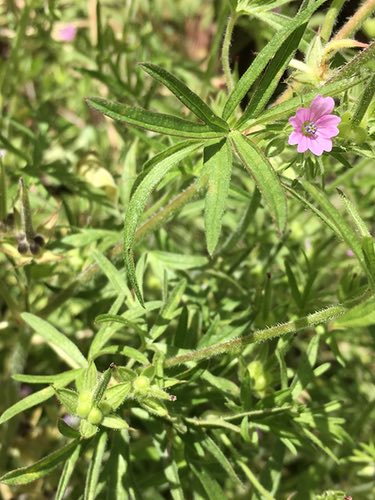
Volunteer: Geranium dissectum

Volunteer

Volunteer Plants with Wee Pink Flowers

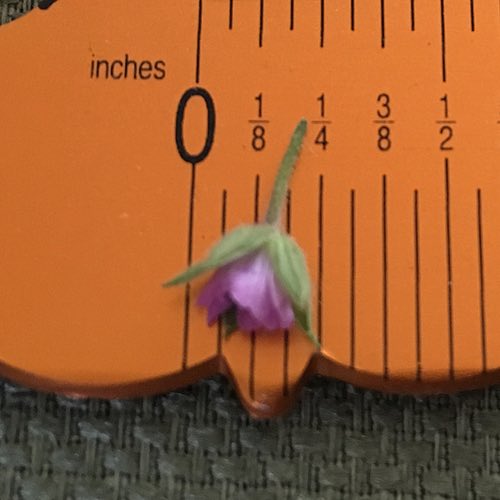
How small all the flowers?

Volunteer

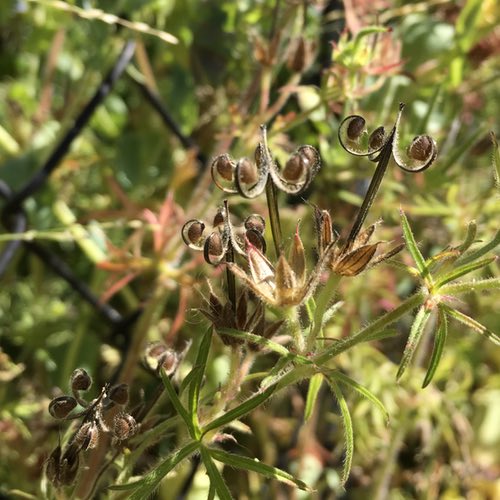
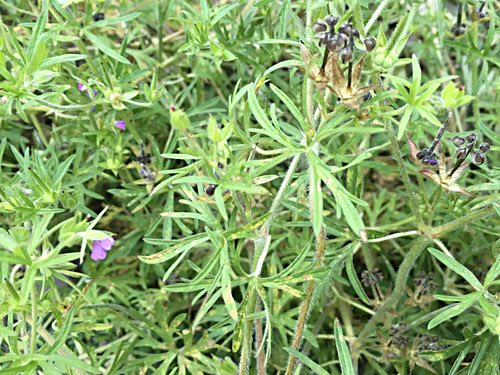
Decided to harvest seed from the volunteer plants. I assumed that the seed was ready when they looked like this…

Volunteer

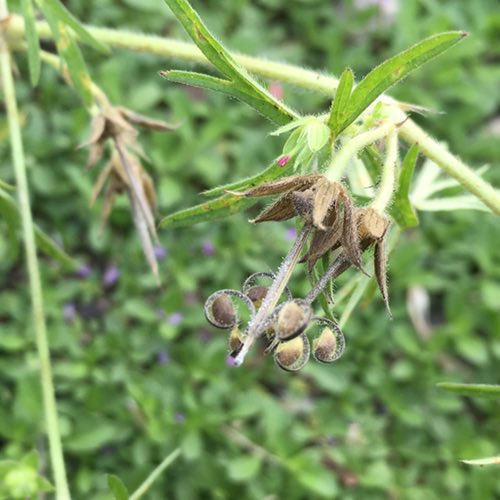
But are they? While harvesting, I noticed this change–

Volunteer

Volunteer

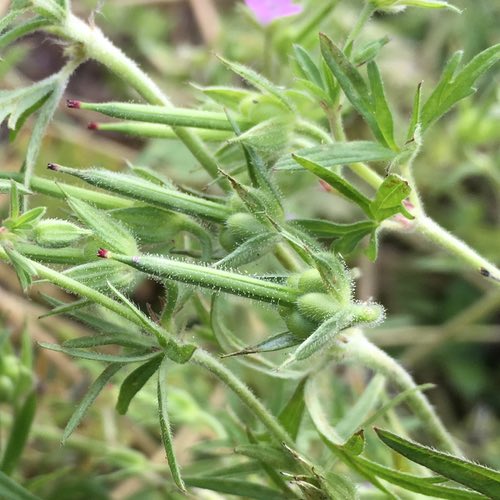
It wasn’t until I looked at the photographs that I noticed the red tips–

Volunteer

It is such a lovely plant. Can’t wait to grow more and should not have a problem doing so since they are showing up on invasive plant sites. Perhaps I should rethink introducing the plants into my courtyard garden.

Wildflowers of the United States

Invasive Species Compendium

Invasive.org

University of California Statewide Integrated Pest Management


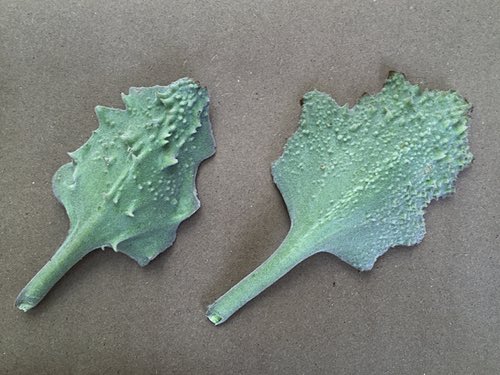
Dropped Leaves

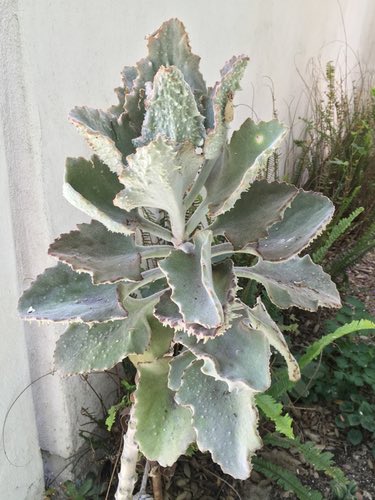
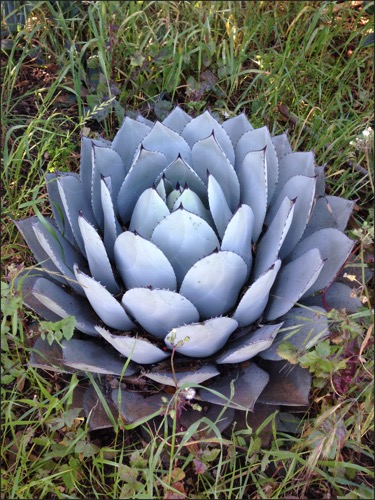
Plant

Succulent

The color of the leaves is definitely not right.
I took the photo with my iPad in my studio.
The color of the leaves should be a grey green.

Succulent

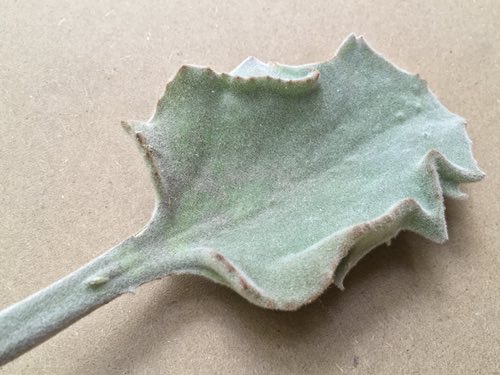
Flip side of the small leaf.
When I gathered the leaves I noticed that they felt soft and very warm.
Like a thick bunny ear.

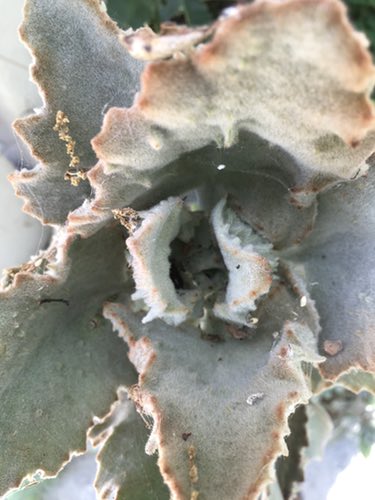
Succulent

The leaves collect everything.
It is common for earwigs to live all cozy in the top leaves.
I give the leaves a weekly cleaning with a soft bristle brush.

Four leaves fell. I am drying two and the other two are sitting in a glycerin solution, just to see what happens.

Art material? Molds or stitching?


What’s Growing?

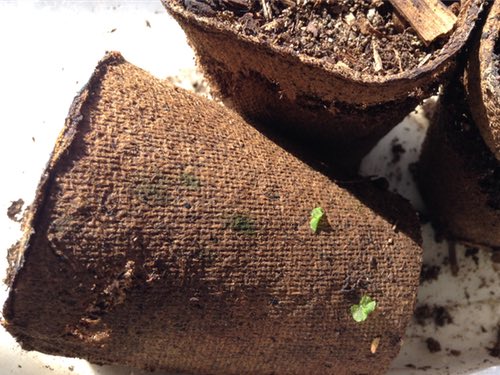
I planted two Tabebuia seeds each in five peat pots, 6 November 2016. I went away for three weeks in March. Before I left I watered the pots and then wrapped them in plastic.

Today I did not find Tabebuia growing, but found something green.

Tabebuia

Do I pot up the growth or wait to see if Tabebuia plants surface?


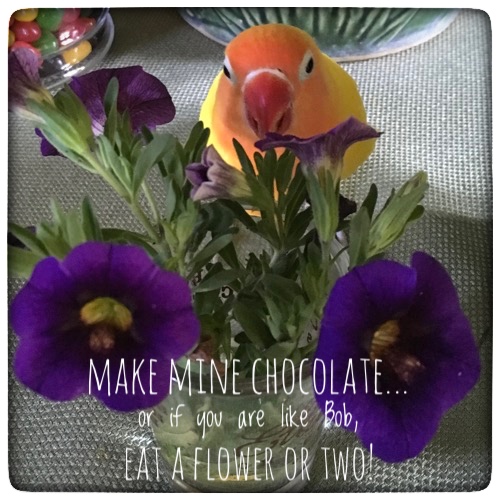
Make Mine Chocolate

Easter

Make Mine Chocolate is a campaign to educate and deter folks from purchasing bunnies for Easter. Often those bunnies end up in shelters after a few months or worse, released to fend for themselves.

Rabbits should not be an impulse buy. When properly cared for a domestic rabbit can live over 10 years. That is a commitment.

There are loads of stuffed plush bunnies that can be left alone in a room, do not require food, or veterinary care.

Or stick to purchasing chocolate bunnies.


Bob, the lovebird in the photo was rescued. He was found flying in my garden on a Sunday afternoon in June of 2016. We attempted to catch him with no luck. The next afternoon he returned. I wrote a post about how we were able to capture him.

We were unable to locate his family. So, he has found a forever home with us, two bunnies, and a cockatiel.

Recently, a family member mentioned seeing a flock of lovebirds in a nearby park. We haven’t yet visited the park. Someday we might check it out.


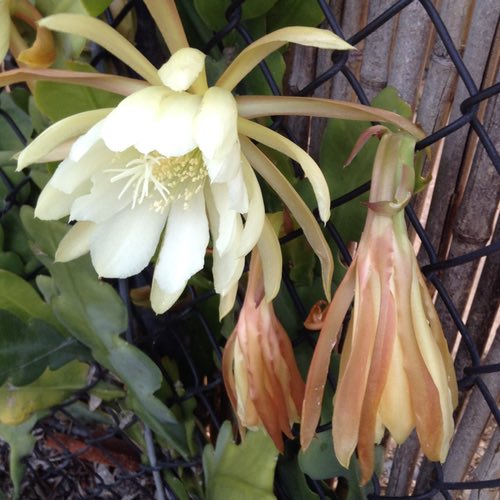
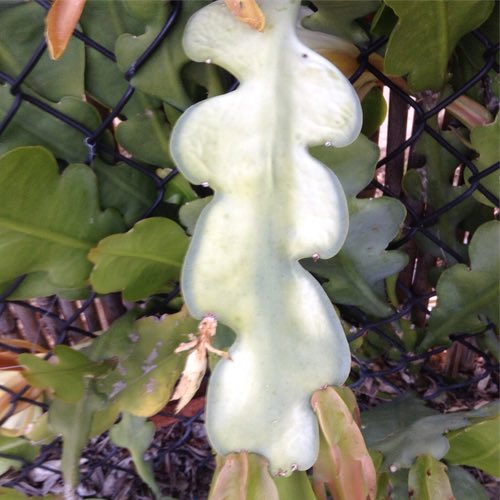
Trapped Cactus Update

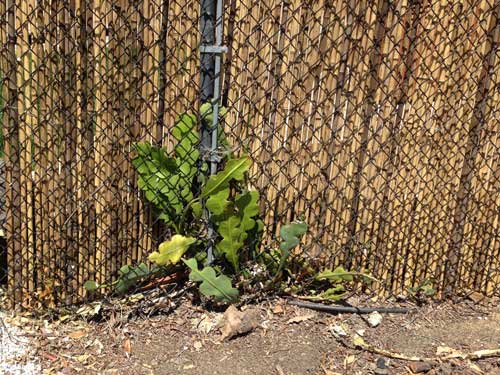
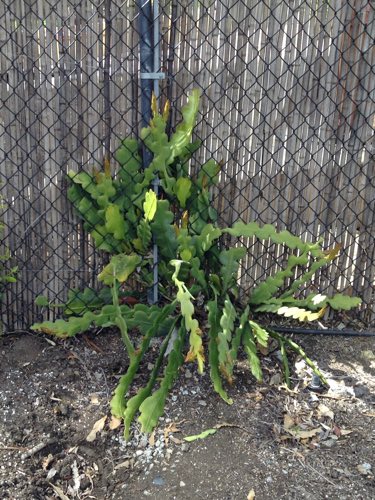
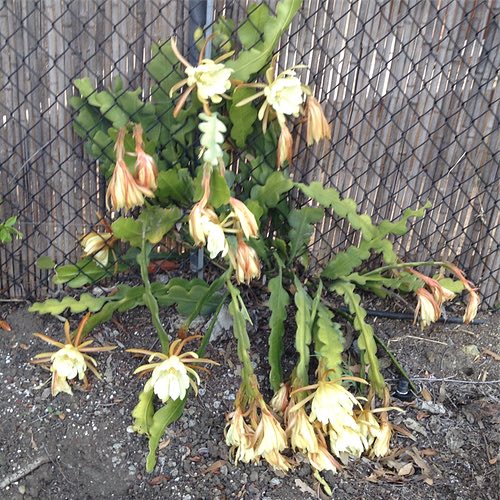
June of 2016 I wrote a post about a trapped cactus. The cactus was growing near a chain-link fence. When the property was sold, the new owners had a privacy fence installed in front of the chain-link fence. The result was the cactus sandwiched between the chain-link fence and the privacy fence.

Cactus

This was the plant in June of 2016.

Cactus

This is the plant today.

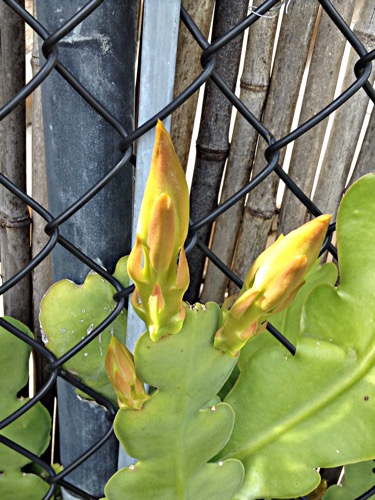
Cactus Buds

In spite of its living conditions, the plant has numerous buds.

It is sad to see the cactus’ situation, but encouraging to see that in spite of everything it appears to be thriving.


Updated Bunny Ornament and Elliot

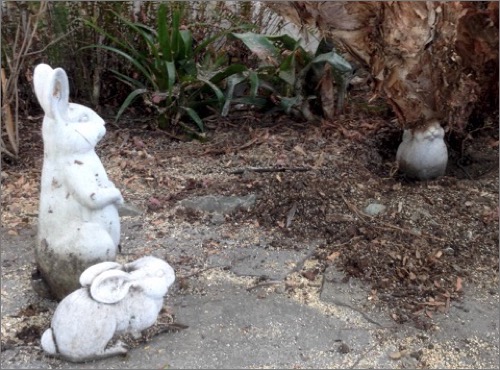
In September I noticed a little bunny ornament was being crushed by a tree. This is the way it looked before I removed it.

Bunny Ornament

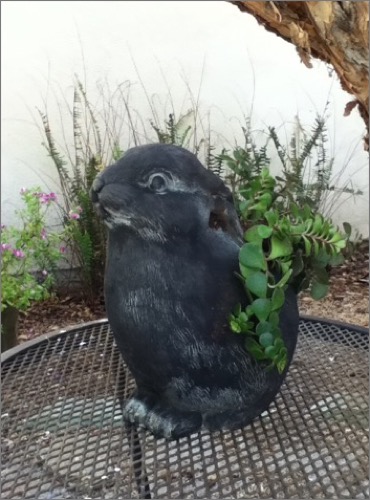
It actually took some digging. When I freed the little bunny, I discovered that part of its head was missing.

What do you do with a rabbit ornament that has a broken head and missing ear?

I gave it a quick spray with black paint, nothing fussy. Then filled the opening with a succulent.

I now know why resin garden ornaments are so heavy? This little guy was filled with small pebbles.

Bunny Ornament

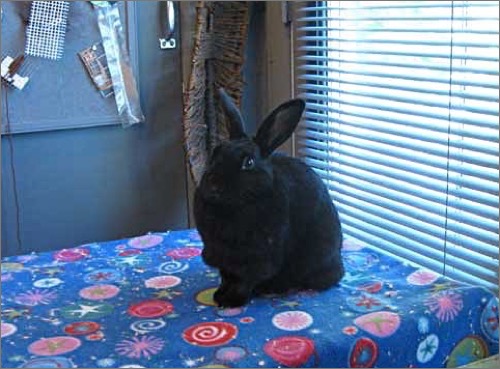
Before Elliot came to live with us, I would never have thought about black for a bunny.

ElliotIMG_0454.jpg

I am so glad she came to live with us. She is a delightful furry one.