Slat Book and the Bead Loom

Last night I was looking through some work in progress and saw a bead loom. It was a gift that I never used, but thought it might come in handy for something, some day.
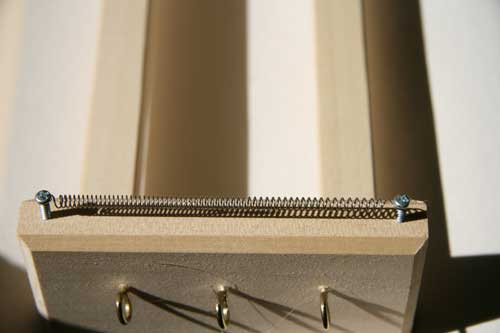
Bead Loom

A bead loom is basically springs attached to a wood frame. In my limited use of springs, it makes sense that a larger spring would work when weaving thicker fiber.

Something that did occur to me when removing the piece from the loom, it would be a good idea to place a rod next to the spring and wrap the fiber around the rod before placing in the spring.
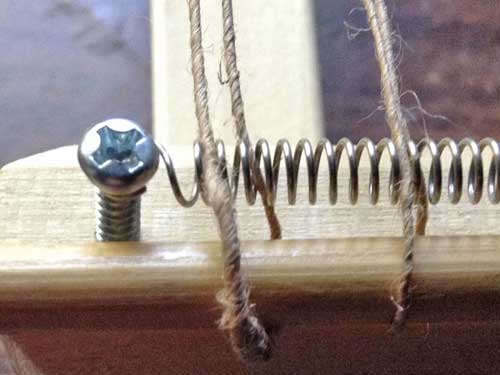
Bead Loom With Rod

After quickly trying my idea, I found that there was a need for clamps to the hold the rod in place.

Back to the weaving experiment: I strung the bead loom with some nettle and started weaving. I used cream wool, nettle, and Tecoma pods.
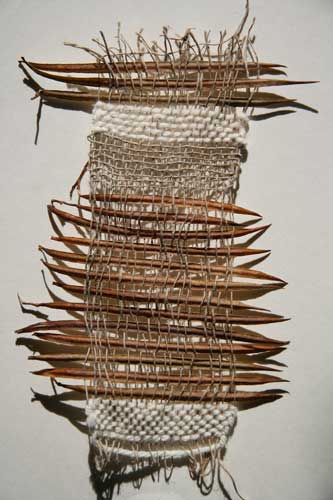
Bead Loom Result

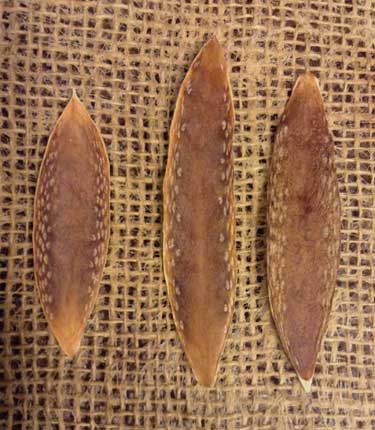
The result is exciting because it might be the solution to my slat book problem. I plan to use Pandorea jasminoides parts, stitched with a letter in code.
Plant Bits

Slat books typically use regular shaped pieces for each of the slats. The Pandorea jasminoides parts are a variety of widths and lengths. I really like them because they bring to mind shields.

If I were to use a similar weaving process, I think it just might work. I plan to try using three strand of nettle on each side leaving the central section of the Pandorea jasminoides parts open for easy reading of the code. Well, maybe not actually easy reading. It will be code.

Slat Book with information about the plant materials and code posted on September 17th, 2015

Slat Book with information about glycerin and code posted on October 11th, 2015


Serendipitous events can result in great ideas.
Or, discovery makes making art so much fun.

Potential New Art Material–Tecoma stans

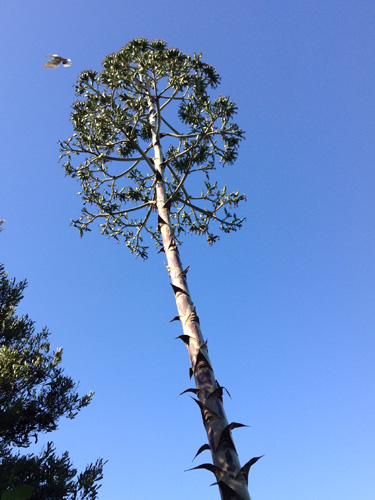
I have been watching this plant for a few months.

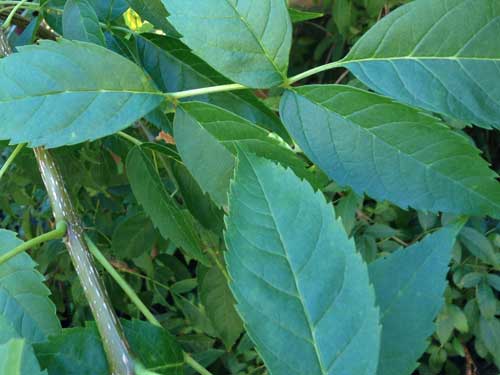
Tecoma Leaves

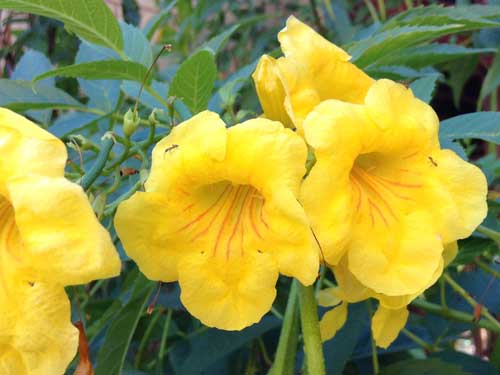
Tecoma Flowers

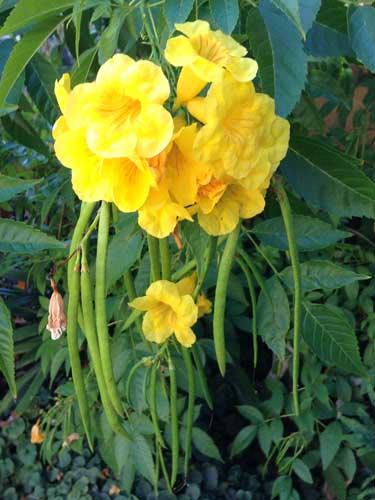
When I first saw it there were thin bean-like green pods. I thought that they would be a possible art material. Curious about the pods. How would they change with age?

Tecoma Flowers and Pods

Tecoma Seeds

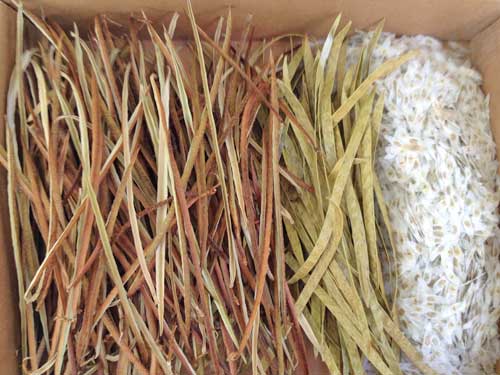
Tecoma Parts

The reddish-brown speckled pods bring to mind young birch branches.

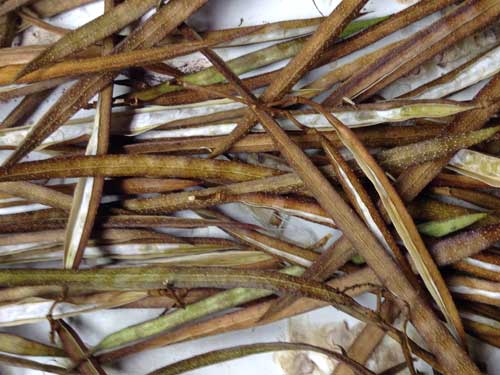
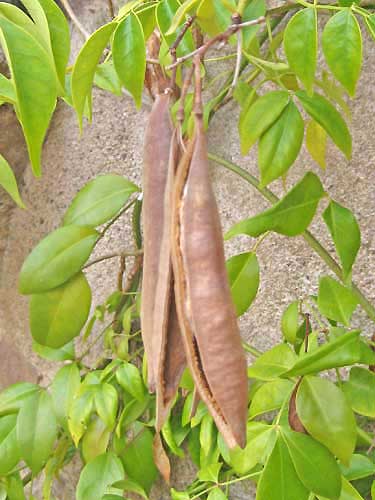
Tecoma Pods

Hope to weave them with wool and cotton fiber. Unfortunately, they are quite fragile. In the past I would have used hot wax to make them more usable, to give them strength to withstand the stitching and weaving processes. Thinking about giving them a soak in glycerin.

Slat Book Progress…

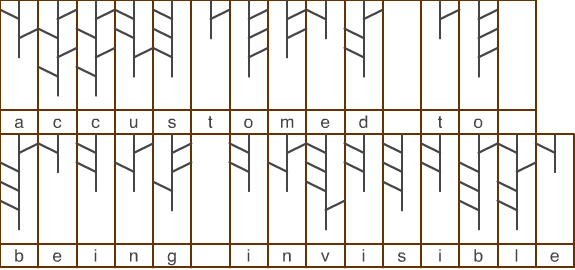
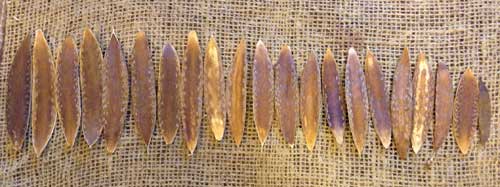
I have been planning to make a slat book using the middle bit (ovary) from Pandorea jasminoides seed pods. I planned the code, “accustomed to being invisible” that will be stitched onto the plant bits.
Invisible Code

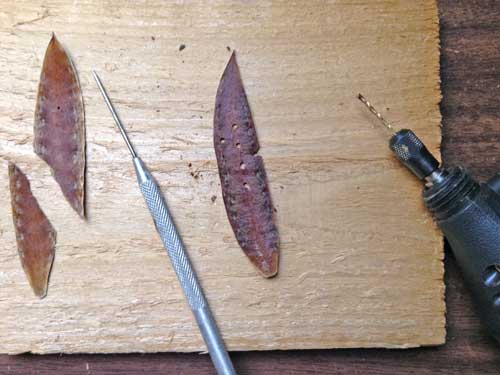
Holes in Pandorea jasminoides

I used a needle tool to make holes in one piece. The piece fractured in half.
I then used a Dremel to drill holes. When I started stitching, with nettle, part of the edge broke away.


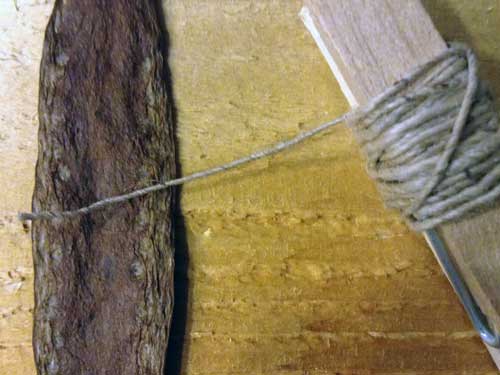
This is what the nettle twine looks like with the Pandorea jasminoides bits.
Nettle


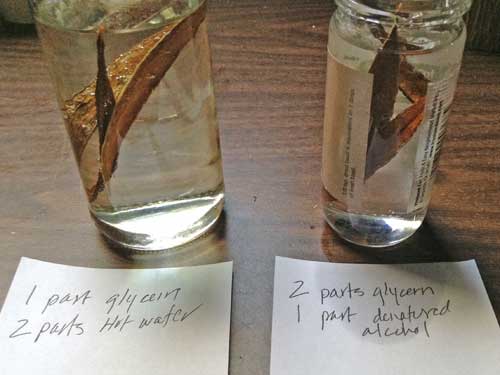
I decided to give glycerin a go to soften the pieces and to make them able to take the stitching. I am trying to solutions–one with hot water and one with denatured alcohol.

Tadpole

The jar on the left is a solution of 1 part gylcerin and 2 parts hot water.
The jar on the right is a solution of 2 parts glycerin and 1 part denatured alcohol.

It is interesting that many processes do require waiting. Sometimes a process can be sped up, most of the time patience is required.


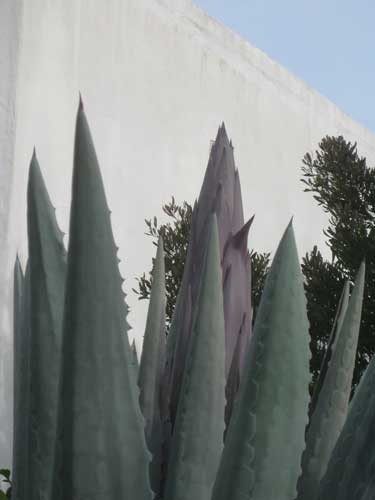
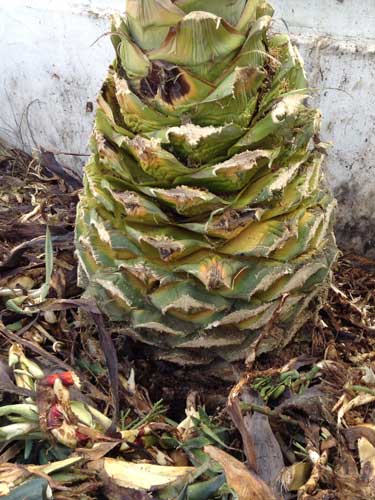
Agave

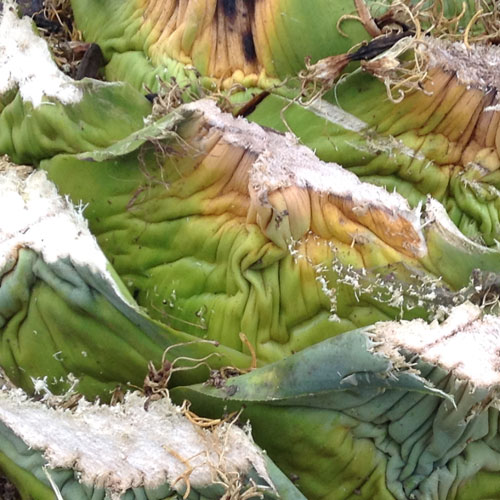
Agave Leaves

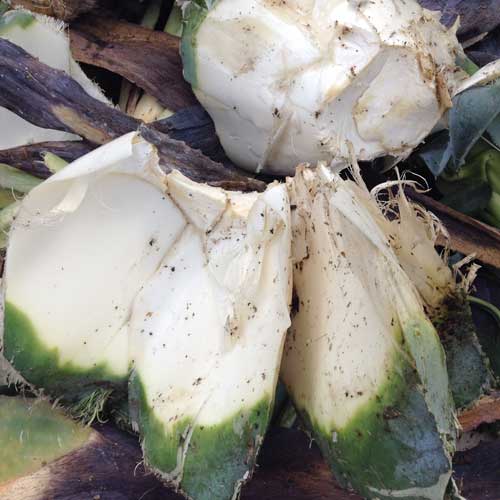
Current State of Many Agave Leaves

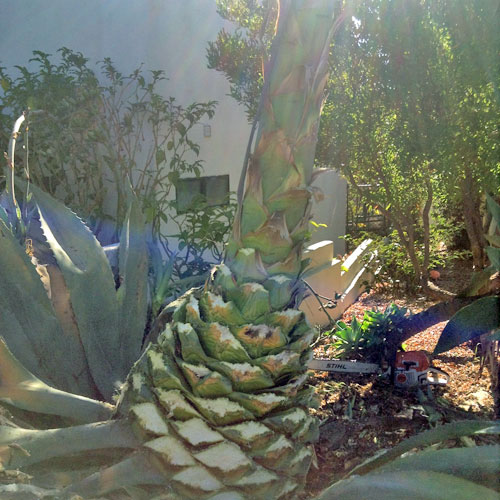
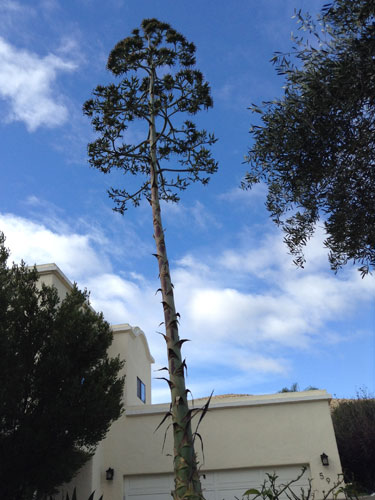
Top of the Agave

Top of the Agave Has a Tilt

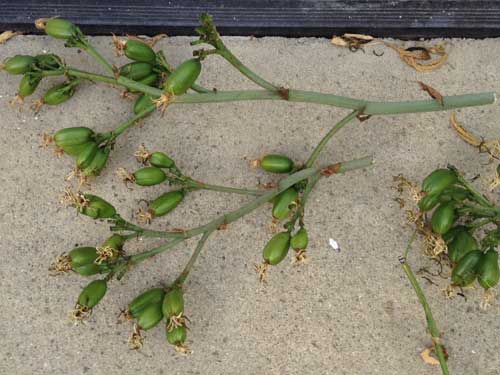
Agave Seed Pod

Inside of an Agave Seed Pod


There are loads of critters living on and around the agave. The spider in the following photo has a huge web between sections of the agave. When the spider saw me, it tucked in its legs. When I moved in for a closer look, it skittered to its hiding space among some seed pods.

Agave and Spider

Spider Living in Agave


Bird of Paradise Seeds: Planting Day

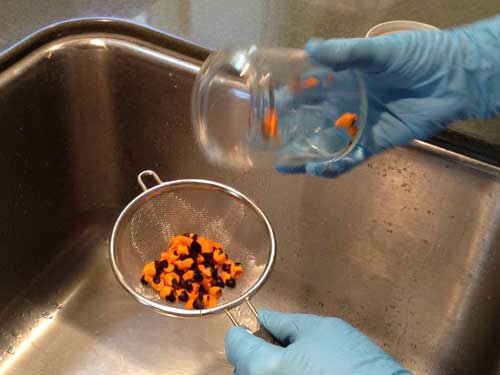
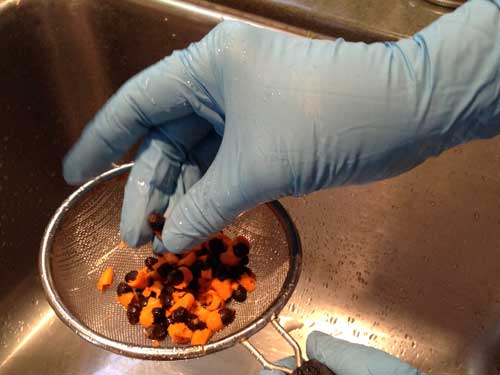
Seeds Poured Into Screen

Seeds Poured Into Screen

Removed Orange Spongy Cover

Removed Orange Spongy Cover

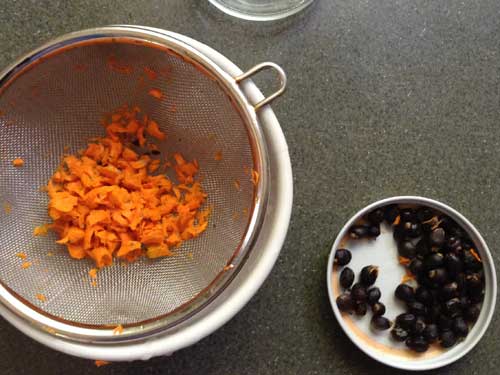
Seeds and Removed Orange Spongy Cover

Seeds and Removed Orange Spongy Cover

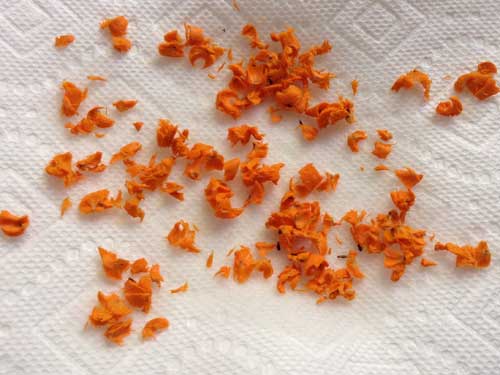
Removed Orange Cover Left to Dry

Removed Orange Spongy Cover Left to Dry

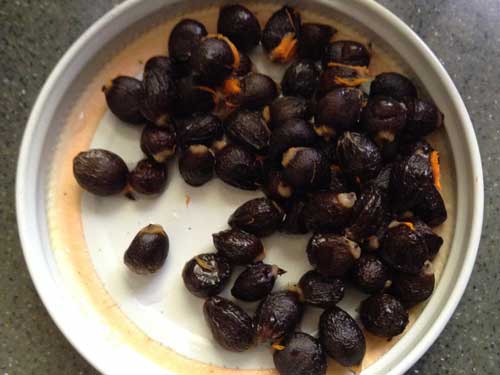
Seeds Prior to Rinsing

Seeds Prior to Rinsing

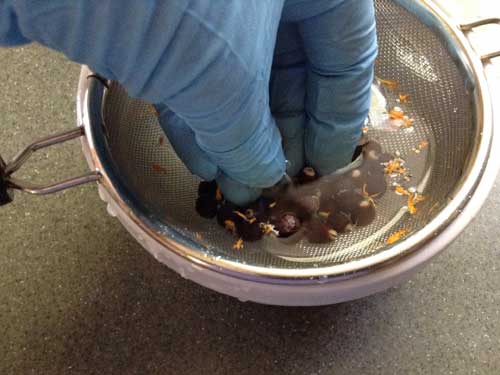
Rinsing the Seeds

Rinsing the Seeds

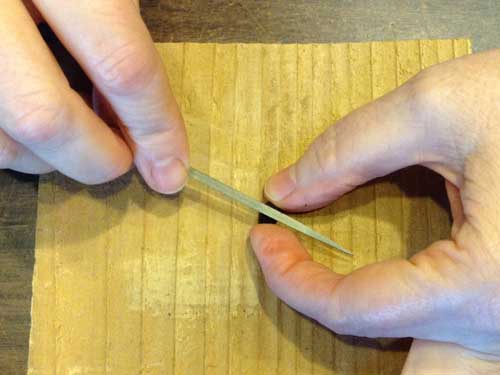
Scarred Seeds with a File

Scarred Seeds with a File

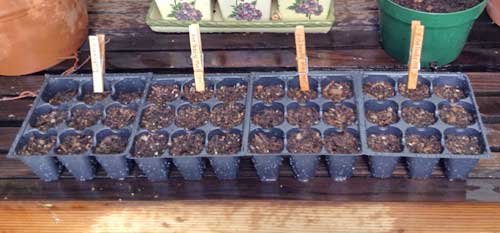
Planted 36 Seeds in Cactus Mix

Planted 36 Seeds in Cactus Mix


Used a clothes pin to label the plantings because the blue jays living in my garden like to remove any type of easily pulled out stick label.

Planted the remaining 25 seeds directly into the garden.

Now I wait.


Slat Book in Progress

I snagged some Pandorea jasminoides seed pods from a friend’s garden. They are woody and beautiful.

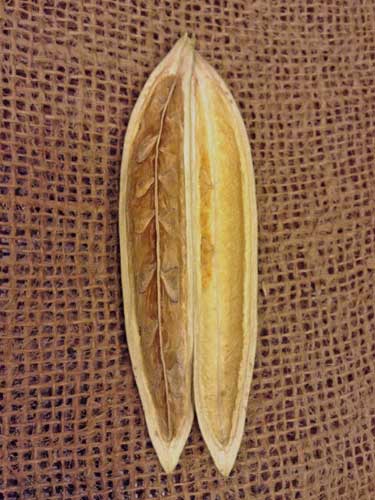
Pods

Open Pod

Open Pod Exposing Seeds

Pod Interior

Pod, Seeds Removed, With Interior Part


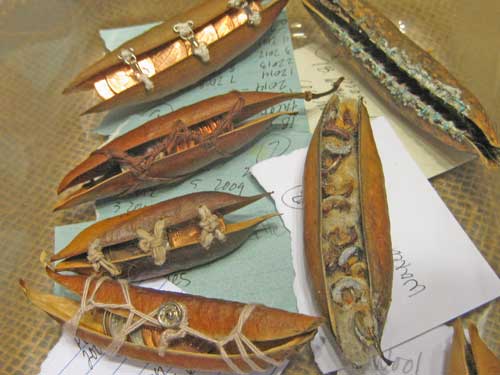
The pods have been used in my Change series.

Change Series


I kept the interior bits and seeds for possible future use.

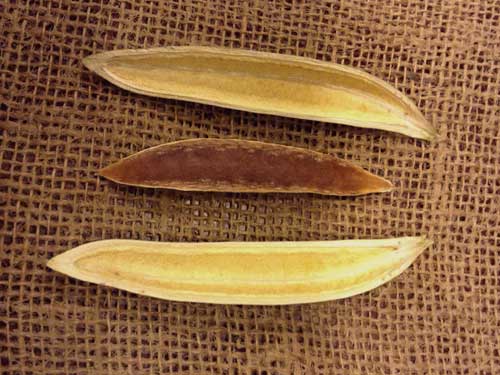
Interior Bits

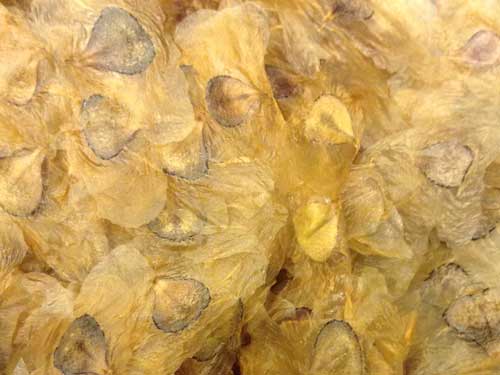
Seeds

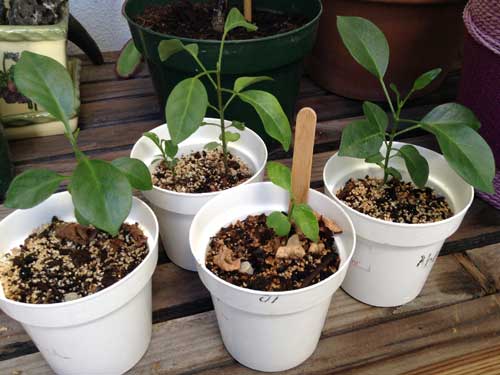
Curious if the seeds were viable, so I planted a few–

Seedlings


I kept thinking about the interior bits. How could I use them? Recently ran across reference to slat books in one of my sketch books.

So, I selected the bits with the most interesting light lines.

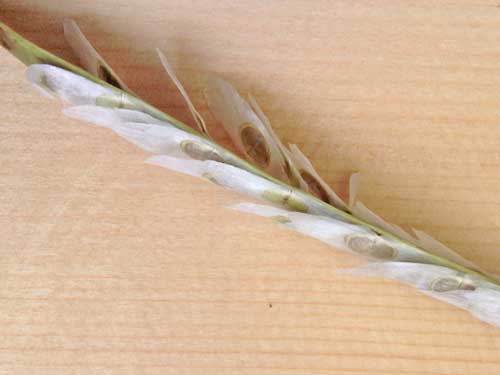
Parts


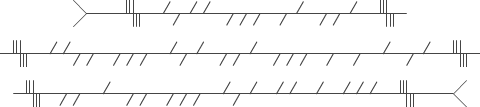
The plan is to stitch a letter on each bit, then stitch them together. I had thought about using Ogham or A-tom-tom code, but for various reasons they didn’t feel right. Instead I made a stitch pattern based on Morse code. I actually made three versions. This is the phrase: Long forgotten memory.

Code for Long Forgotten Memory

For the slat book, I am deciding between the phrases, link with the past and accustomed to being invisible. Probably will use bamboo cord or Egyptian cotton thread for the stitch work.


When I quickly searched for the two types of code that I decided not use, I realized that both times I hit Omniglot, the online encyclopedia of writing systems and languages. It is a great site with loads of information.


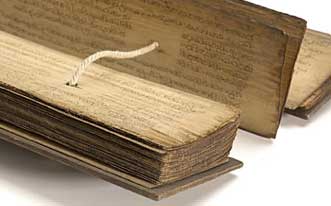
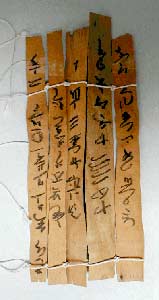
Strip or Slat books were made of a variety of material–bamboo, bark, and palm leaves. The material was cut into slats. The slats were either bound together or holes were made and cord was threaded through binding the slats together.


Information about the history of books and slat books can be found on the
Harry Ransom Center, The University of Texas at Austin website.

Slat Book


Information on Horizontal and Vertical Writing in East Asian Scripts can be found on Wikipedia.

Writing in vertical columns from right to left facilitated writing with a brush in the right hand while continually unrolling the sheet of paper or scroll with the left.


A brief description about slat books and a nice image can be found on Susan Kapuscinski Gaylord’s website makingbooks.com.

Slat Book


Information on early Chinese inscriptions can be found on Jeremy Norman’s website historyofinformation.com.


A Nice Surprise–Bird of Paradise Seeds

I have two studio spaces: one in the house for fairly clean work, and one in the garage for messy work. I keep most of my plant cuttings in the garage.

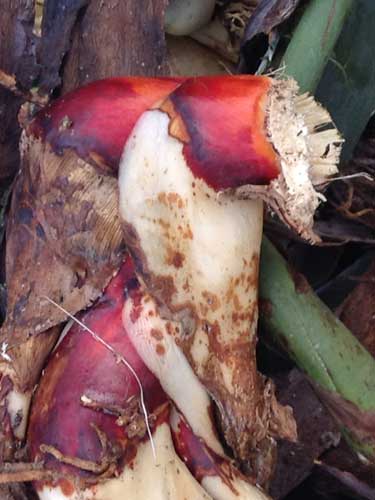
Recently, I took some cuttings from a giant bird of paradise. I thought it would be fun to remove all of the interior bits and do some stitch work on the remaining vessel.

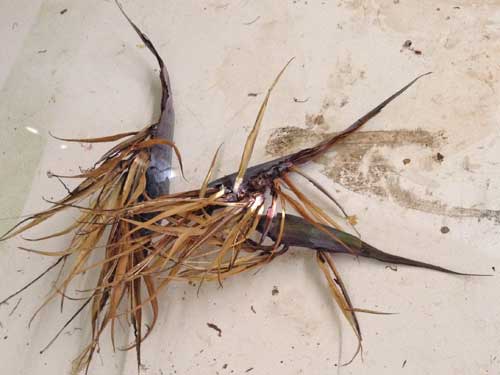
Bird of Paradise Cuttings

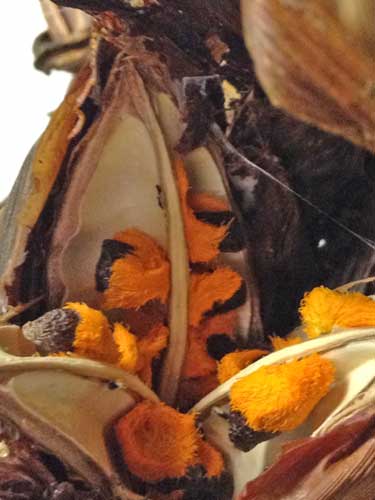
They have been drying for nearly a month. Today I found the seed pods dried, open, and gorgeous seeds were visible.

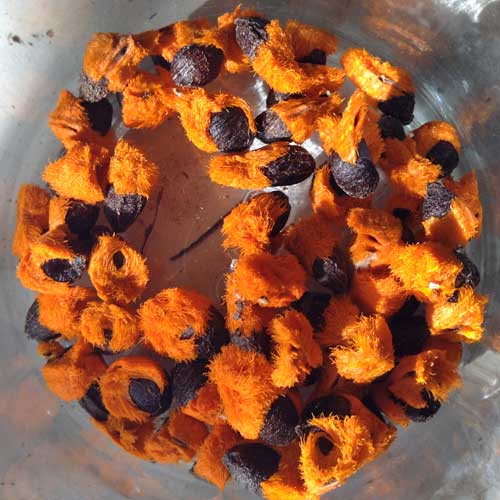
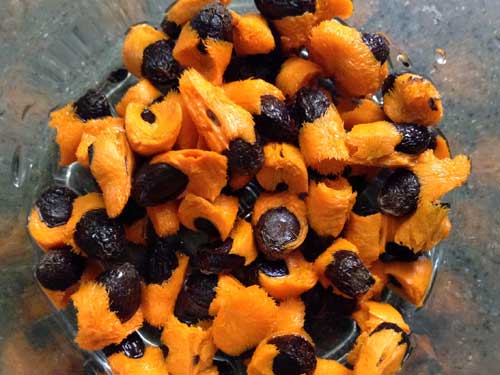
Bird of Paradise Seeds

Nature has many colorful surprises. The orange covering on the seeds feels a bit spongy.

I was curious if I could have success planting the seeds. I read several articles and it seems easy peasy. Pop the seeds in water for two to three days. Change water daily. Then drain, remove all of the orange fiber, dry, and scar the seeds. Pop them in some soil and keep moist. Maybe in a month of so there might be seedlings.

So, I removed all of the seeds and placed them in a jar.

Bird of Paradise Seeds

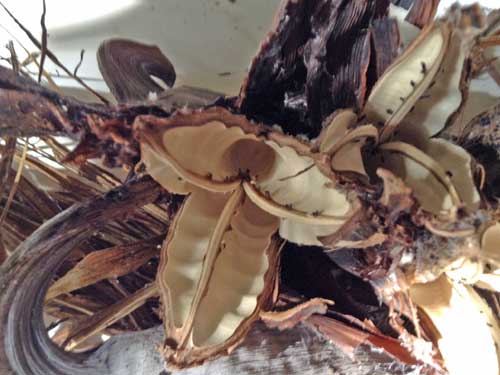
Empty Seed Pods

The empty seeds pods are lovely.

Seeds in Water

Seeds in water day one.