Crassula and Hydathodes

I am currently reading Fred Dortort’s book, The Timber Press Guide to Succulent Plants of the World: A Comprehensive Reference to More than 2000 Species.

The book is filled with interesting information and loads of gorgeous images of plants. I was curious about hydathodes. The description from the book follows: their leaves are dotted with hydathodes, a kind of pore that enables wet-growing plants to expel water, but which dry-growing crassulas have reversed, turning them into water-absorbing organs.

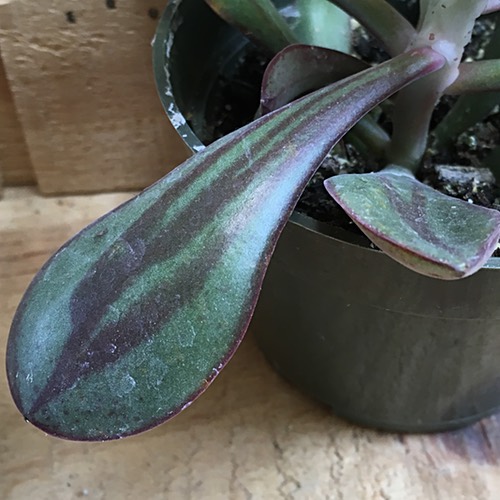
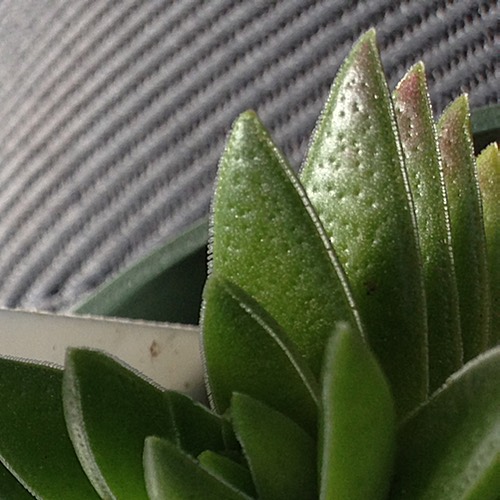
I can visualize, but what do hydathodes really look like?

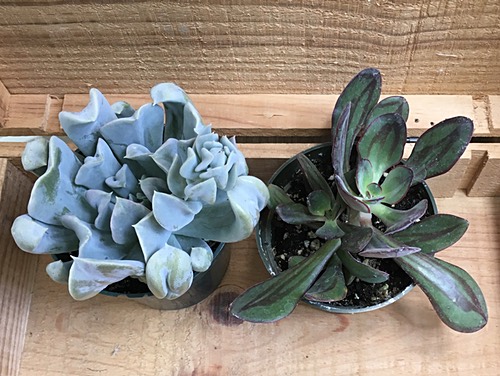
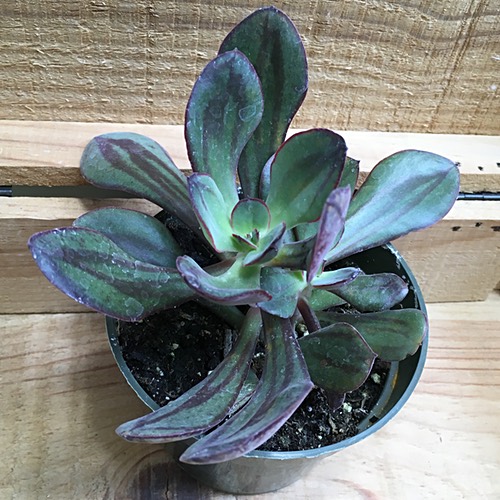
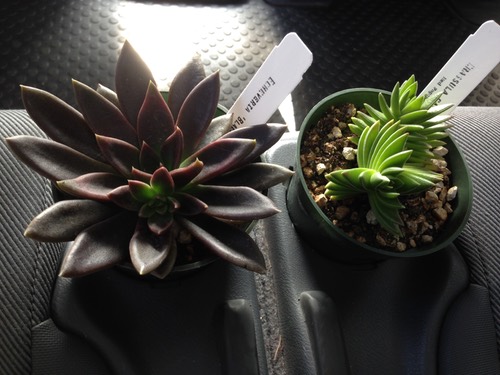
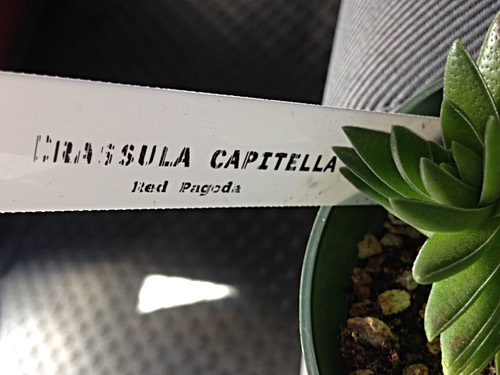
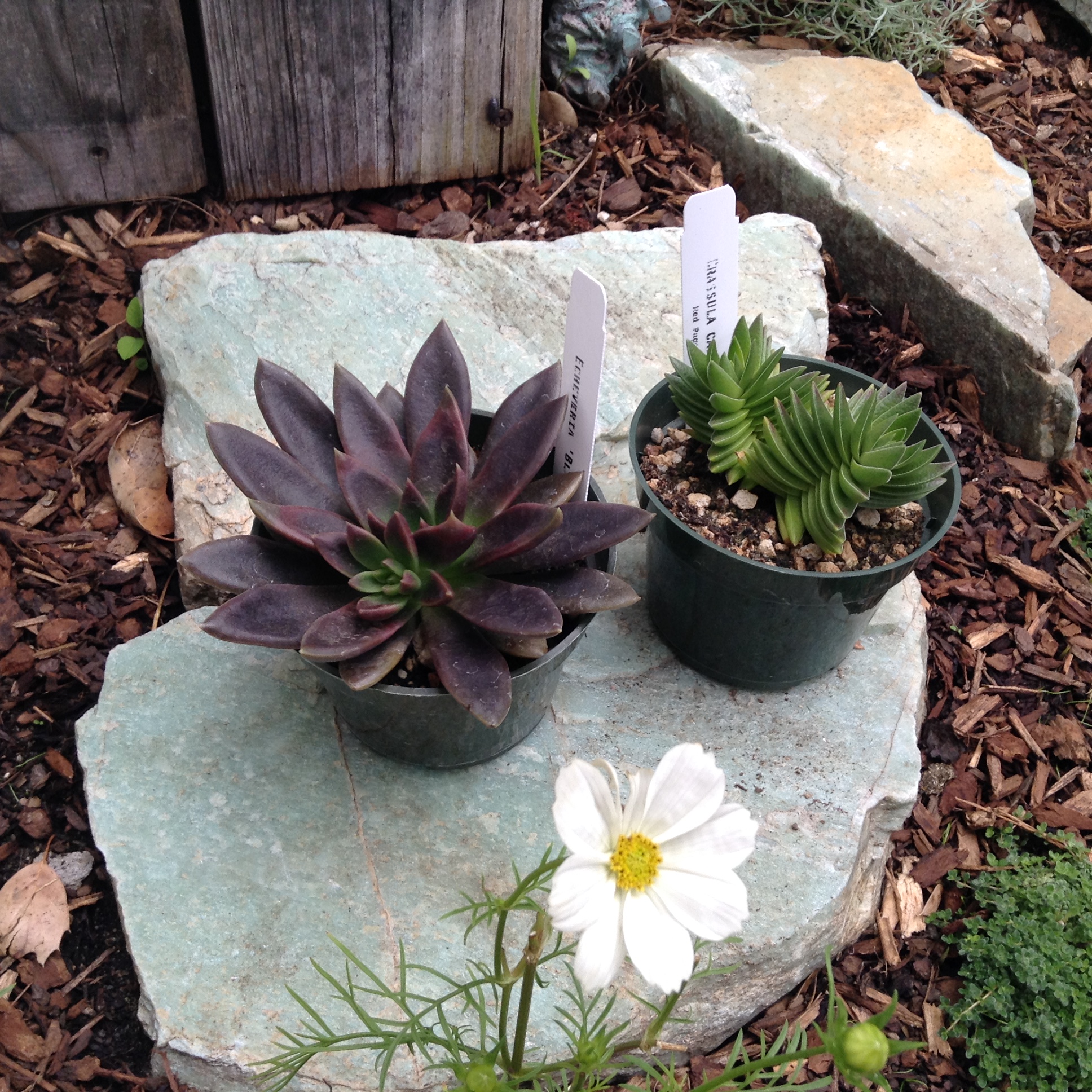
When I was editing photos for a previous post, I noticed what appeared to be pin pricks on the leaves of my new addition, a Crassula capitella Red Pagoda.

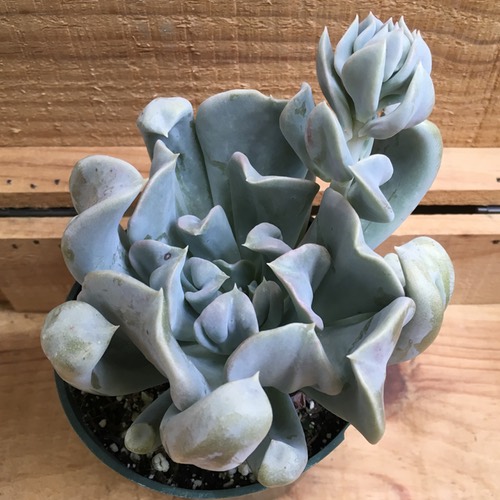
Red Pagoda

Example of Hydathodes on Crassula capitella Red Pagoda

It is exciting to read something interesting and then to see an example of it in person.


Milkweed and Ants

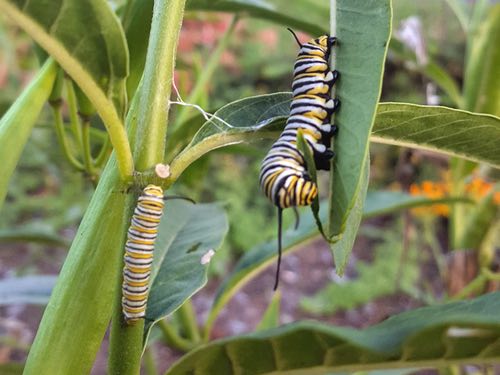
I visited a friend’s garden on November 1, 2016 to look at his milkweed plants covered with Monarch caterpillars.

Monarchs on Milkweed

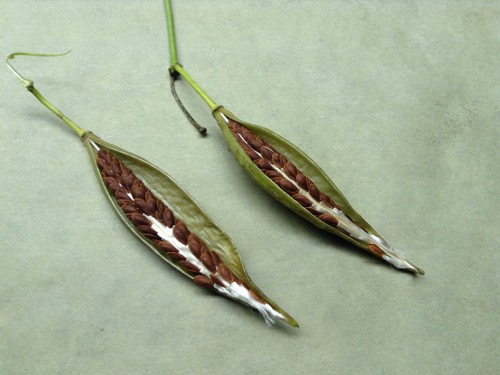
While there I collected milkweed seed pods.

Milkweed Seed pods

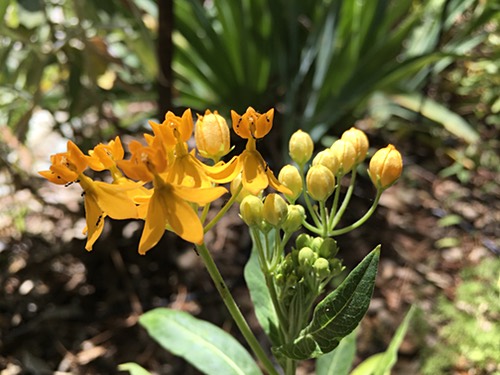
On November 3, 2016, I popped some of the seed in soil and today two of the plants are blooming.

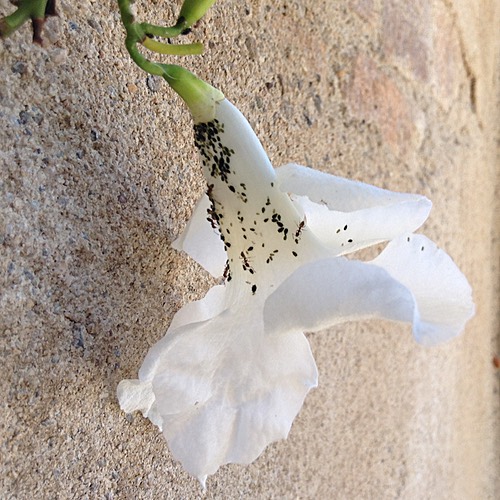
Ants on Milkweed

Curious why there are ants. Need to take a better look. It doesn’t appear that there is some other insect activity which is often the case. Ants are known for herding aphids for their honeydew.

My hope is that the milkweed can help the Monarch population. Recently I saw a sign posted at a local nursery that stated the exotic milkweed should be cut to the ground in the fall to prevent protozoan infection by Ophryocystis elektroscirrha (OE).

To read about the possibility of attempting to do something good that could have unwanted consequences, check out the Monarch Joint Venture site.

Post Written on Day of Planting


Acacia

When we moved into our house, there was an acacia in the backyard. Unfortunately, it did not survive. I have wanted to replace it for 20 years. Last year a friend gave me a start, it was a volunteer of one of his acacias. It did not survive. I took a cutting from one of his acacias, it was doing well, then suddenly died. Apparently, I was doing something wrong.

When I went to the San Luis Botanical Garden sale, I purchased an Acacia iteaphylla. It is a beautiful plant. Similar, but not the same as the original acacia.

Acacia in Courtyard

Monday when I was walking from the Hoover Herbarium to my car, I noticed a small acacia at the corner of the parking lot.

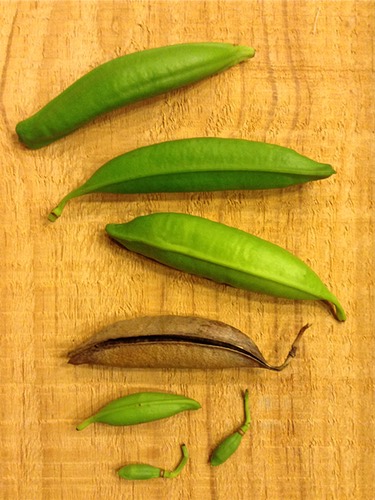
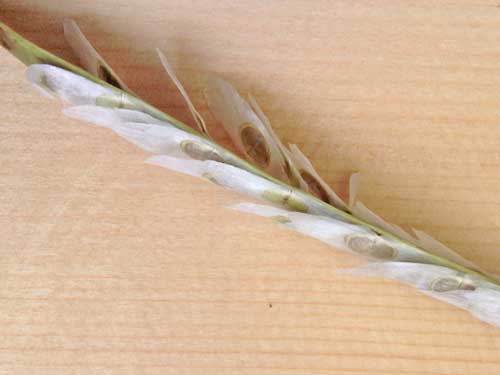
Acacia Tree and Pods

It may be Acacia podalyriifolia. It had a slew of seed pods, some already empty. With the help of Peggy, a fellow Herbarium volunteer, we snagged a handful of pods and I brought them home.

Acacia Seeds and Pods

I researched how best to have planting success and every source seemed to consistently recommend placing the seeds in a container and to pour nearly boiling water over them. Then allowing the seeds to soak overnight.

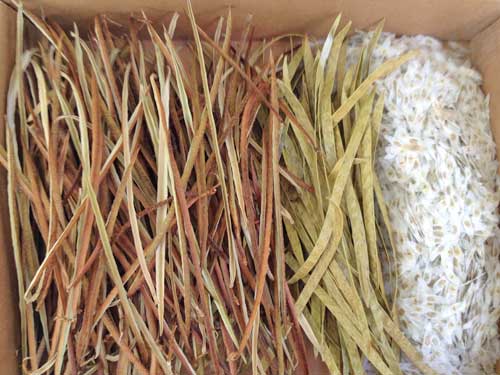
Acacia Seeds

Acacia Seeds

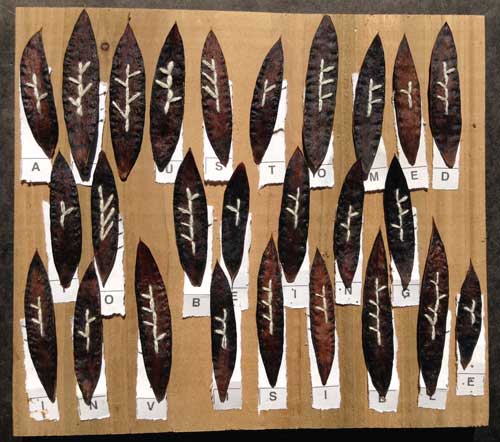
I placed the remaining seeds in an envelope and may use the seed pods in a piece.

Acacia Seeds

After a night of soaking there is a huge difference in the size of the seeds.

Acacia Seeds

Acacia Seeds

Comparison–Top Seed Soak for 24 Hours
Bottom Seed Has Not Been Soaked

I planted the soaked seeds in a nine cell, in cactus mix. Placed the nine cell in the greenhouse. Now, I wait.

Update July 13

In 8 of the 9 cells there are sprouts.

Acacia Sprouts and Seedlings

Update July 18

Acacia Sprouts and Seedlings

Update September 2
The extreme heat yesterday took a tole on the 4 remaining Acacia seedlings. The temperature was 106º which is unusual for the California Central Coast.

Acacia Seedlings

Only 4 seedlings survived before the extreme heat. One of the seedlings may not make it. It is time to transplant the remaining seedlings into at least 4″ pots.


Australian National Botanic Gardens
The following information is from the Australian National Botanic Gardens–

“The genus Acacia belongs to the family Mimosaceae. There are some 1350 species of Acacia found throughout the world and close to 1000 of these are to be found in Australia. Commonly known as Wattle, Acacia is the largest genus of vascular plants in Australia.”

World Wide Wattle

SelecTree (Cal Poly)

Mended Tecoma stans

I started the Tecoma stans seeds the first week of November.

Tecoma Seeds

Tecoma Seeds

The plants were small, but popped them in the garden a few weeks ago.

I noticed that when the squirrel dug up my garden, for the umpteenth time,

Squirrel Damage

this little plant was broken. Part of the stem was still attached.

Mended

I aligned the stem and taped it with cloth tape.
Used a skewer as a splint.
Then a small piece of bamboo as a stake to support the lot.
That was ten days ago.

Update…

Mended

Mended Plant in New Garden Location a Few Weeks After Mending

My irrigation system needs updating. I am waiting until I get all of the plants transplanted before I update the system. Currently I water the bed by hand. That is a good thing to monitor all of the new plantings. Soon most of the drought tolerant plants and the succulent garden will require only a few waterings per week.


Fish Tank, Cassia and Tecoma stans Blooms

While visiting my brother-in-law and his very cool wife, I checked out their room divider fish tank.

Unfortunately, I only had my old iPod with me. So, photos are lacking. The colors are so vibrant and the movement was mesmerizing.

A bit like watching succulents in movement… Yep, I have succulents on my mind.

Tank

Tank

Tank

Tank

Tank

Tank

Plan to go back to take photos.

Noticed the Cassia tree is blooming.

Blooms

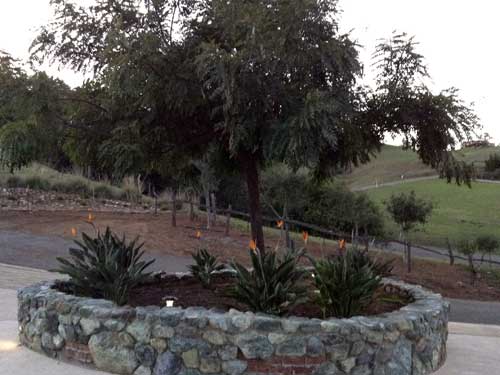
This is a photo I took of the same Cassia tree one evening in December, 2014. The tree is larger and the branches are full of buds and blooms that are nearly covering the bird of paradise.

Cassia Tree

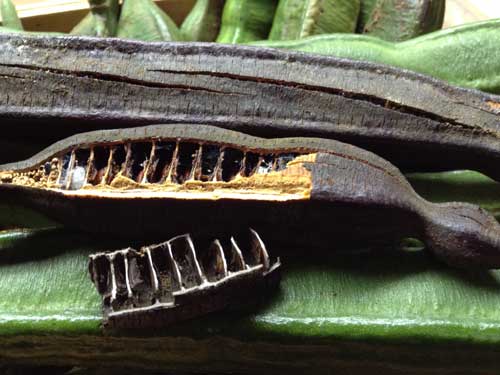
Detail of beautiful pods from the Cassia tree I collected in 2014.

Cassia Tree Pods

Also noticed the Tecoma stans was in bloom.

Tecoma stans Flowers

Snagged another handful of seedpods.


Rock/Succulent Garden in Progress

Rock Garden

Rock/Succulent Garden in Progress

Rock Garden

Rock Garden

The two small blue rocks in the lower right resulted in the need to move three flagstone and a blue rock.
But I really wanted those two little rocks. They will be a nice backdrop for thyme.

Next is to add cactus mix, plant succulents, install drip system, add mulch, and enjoy.

The mailbox is sitting on a box that will be replaced. The mailbox came from our home in New Jersey. The cardinal is the Ohio state bird. I am originally from Ohio; it was our first home. So, bit sentimental to keep the mailbox in the courtyard.

The mailbox also functions as a place to store frequently used garden tools.


Bound Bulb Leaves

The large draping leaves of a bulb that isn’t quite done yet, were shading some new additions to the garden. Since binding is a component of my art work, thought I would give it a go in the garden. Plan to move the bulb with the bound leaves to a different location.

Bound Bulb Leaves

This is the same type of bulb that was recently relocated from another garden space.

Bound Leaves

This is another type of bulb with braided and bound leaves.

Bound Leaves

I used jute cord for binding knowing that the leaves would eventually turn shades of golden brown.

I am liking the bound verticals in the garden. If several were together it would be more interesting. When I began converting the garden to larger drought tolerant plants, the bulb was blooming. It had numerous white flowers. Lovely flowers, so didn’t want to move it.