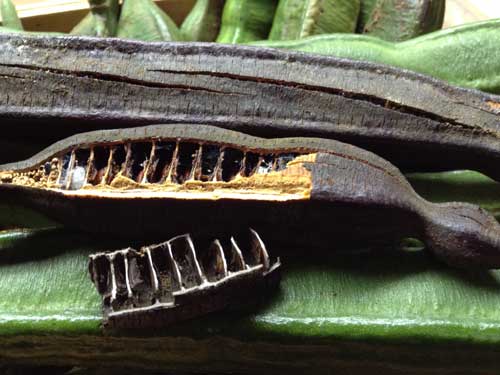
May be Paeonia californica not Paeonia brownii

I thought that when I collected seeds from Paeonia plants during a hike in SLO California, I originally thought they were Paeonia brownii. Recently I have come to believe that I made a mistake and the plants were actually Paeonia californica.

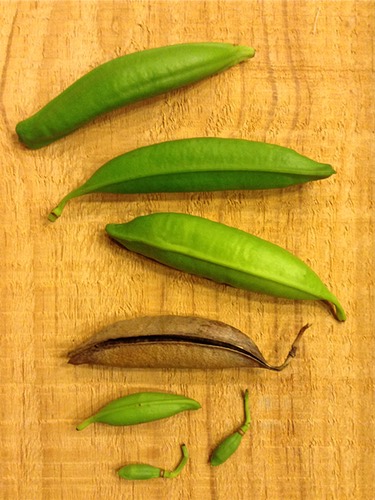
This is an image of the seeds I collected.

Paeonia Seeds

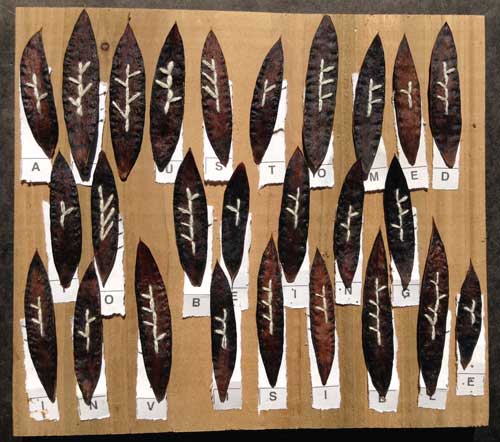
I went to the Jepson Herbarium to check it out.

Paeonia californica

Paeonia brownii

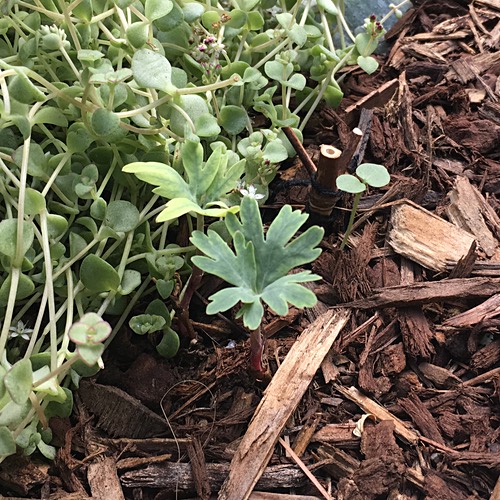
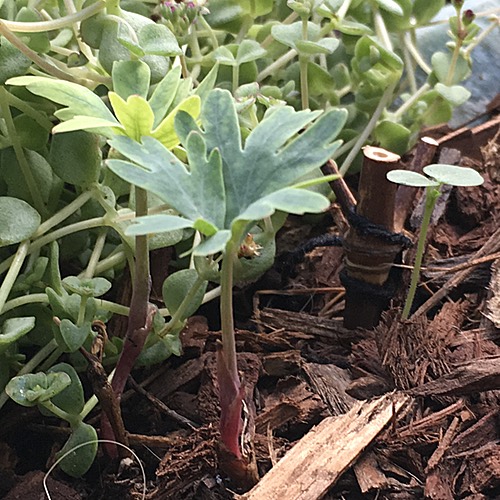
Currently there are a couple of Paeonia seedlings growing in my succulent garden.

Paeonia Seedlings

Paeonia Seedlings

Calflora

California Native Plant Society


Milkweed and Ants

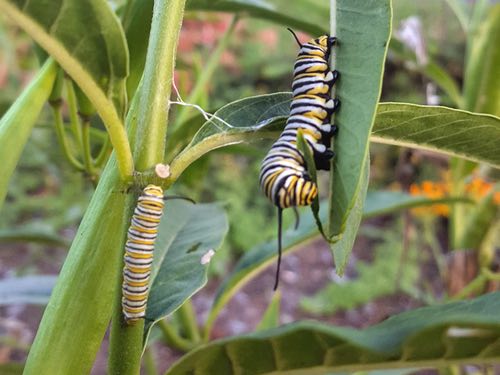
I visited a friend’s garden on November 1, 2016 to look at his milkweed plants covered with Monarch caterpillars.

Monarchs on Milkweed

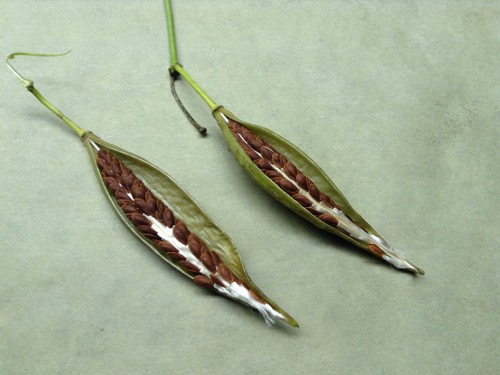
While there I collected milkweed seed pods.

Milkweed Seed pods

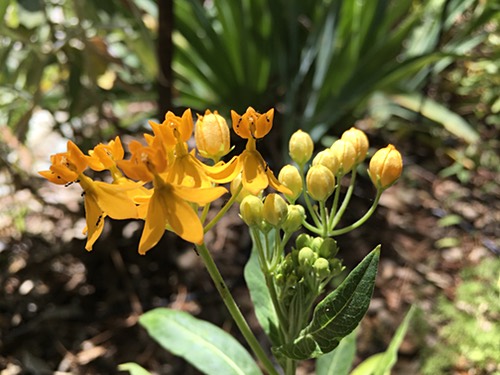
On November 3, 2016, I popped some of the seed in soil and today two of the plants are blooming.

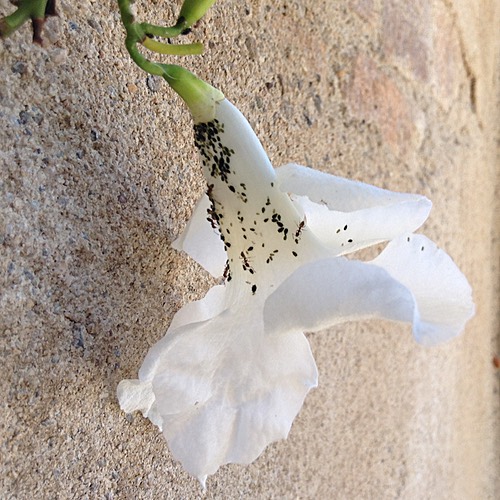
Ants on Milkweed

Curious why there are ants. Need to take a better look. It doesn’t appear that there is some other insect activity which is often the case. Ants are known for herding aphids for their honeydew.

My hope is that the milkweed can help the Monarch population. Recently I saw a sign posted at a local nursery that stated the exotic milkweed should be cut to the ground in the fall to prevent protozoan infection by Ophryocystis elektroscirrha (OE).

To read about the possibility of attempting to do something good that could have unwanted consequences, check out the Monarch Joint Venture site.

Post Written on Day of Planting


Casemaking Again

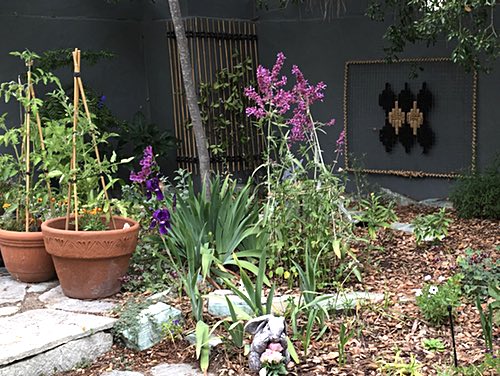
I am in the process of making a trellis for the courtyard wall. It will be similar to the trellis on the wall that wraps around the corner. I needed a piece of 1″ fence to use as a support for the vertical bamboo pieces.

Trellis

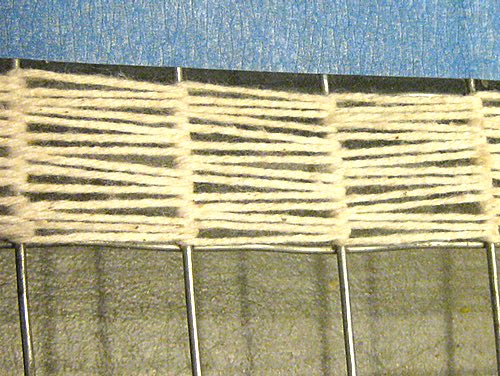
I found a piece of fence that was to have been used in a project with cotton twine. The cut bits are sharp unless they are ground down, so the edge was taped until a border was attached.

Taped Fence

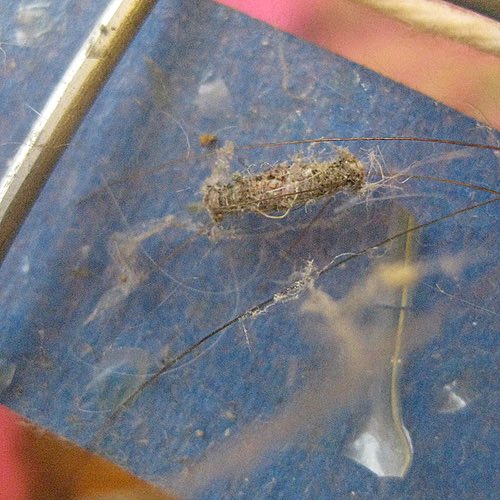
When I flipped the piece of fence over, I noticed casemaking moths attached to the tape. For insects that are supposed to be particularly fond of animal fiber, they sure seem to show up on loads of surfaces.

Casemaking

Not sure if they are alive. Seeing them did remind me to try placing items that may have been exposed to casemaking moths in the trunk of the car. An entomologist that I met while hiking, mentioned exposing the casemaking moths to the heat in the car over a period of a couple of weeks. He seemed to think the exposure should kill all forms of the casemaking cycle.

I do not like killing anything, but the casemaking moths can’t seem to stay outside, away from my studio work and sweaters. Frustrating, but not the bane of my existence.


A Girl Named Bob

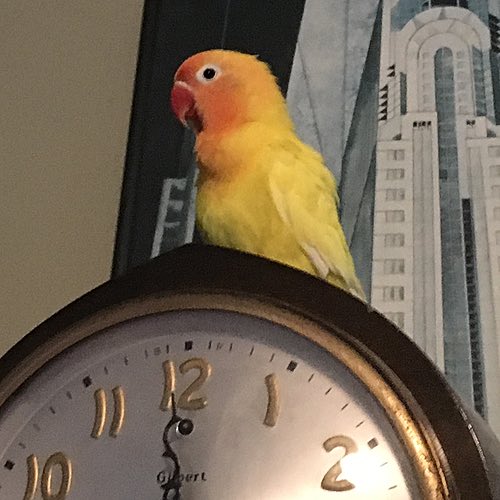
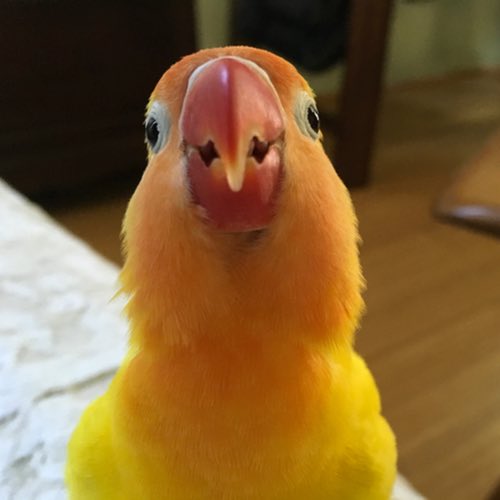
June 20th last year we rescued a lovebird, who came to be known as Bob.

Bob

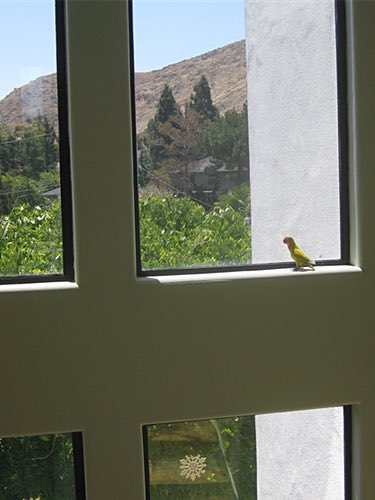
The first week Bob was rescued, she escaped from her room.

Bob

Until a few weeks ago we thought Bob was a boy. Now it has been confirmed, she is a girl.

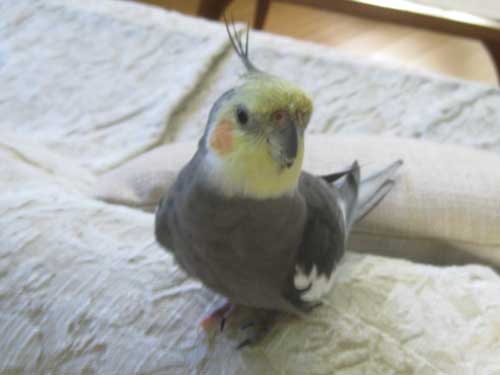
Bob began dancing for The Bird, the cockatiel who lives with us.

The Bird

Then she began shredding everything shreddable which wasn’t unusual. But what was unusual was how much time she spent in her room and how quiet she became. No longer was she the 5:45 am bird alarm.

Bob

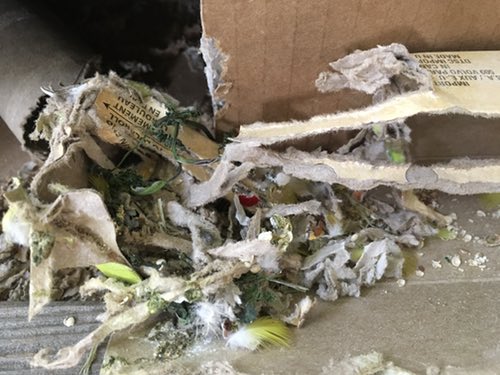
Because Bob loved to shred and dig around, we put several cracker boxes in the bottom of her room. She made a tunnel through them, and apparently this nest–

Nest

that she wasn’t using.

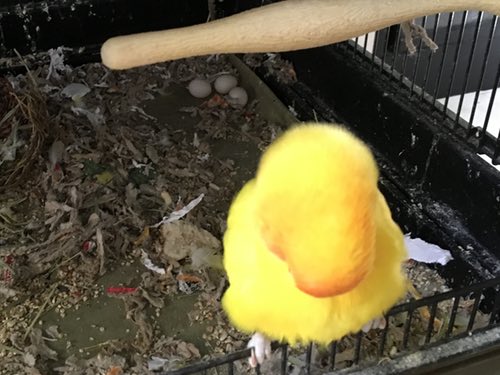
And this space hidden under the boxes that she was using–

Find Under Box

Apparently she even shredded two baskets.

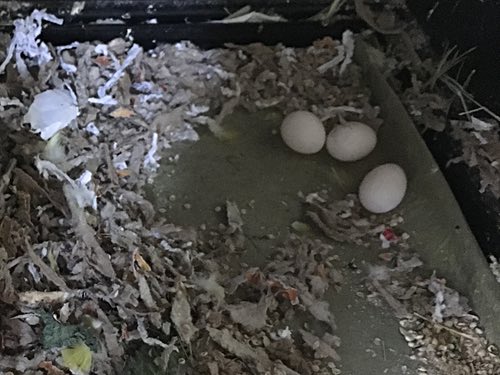
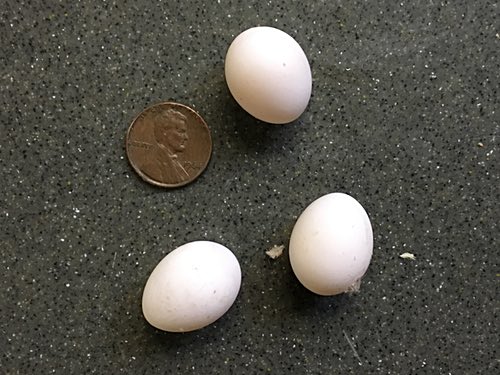
Eggs

How large are lovebird eggs?

Eggs

We decided to remove the eggs and all shreddable materials from her space. She seems okay. We will watch to make sure she really is okay. A friend who raised lovebirds, mentioned egg binding. That would be bad.

Today she seems to be her cheerful self.

Now what to do with the eggs. I was thinking about burying them in the garden.


Acacia

When we moved into our house, there was an acacia in the backyard. Unfortunately, it did not survive. I have wanted to replace it for 20 years. Last year a friend gave me a start, it was a volunteer of one of his acacias. It did not survive. I took a cutting from one of his acacias, it was doing well, then suddenly died. Apparently, I was doing something wrong.

When I went to the San Luis Botanical Garden sale, I purchased an Acacia iteaphylla. It is a beautiful plant. Similar, but not the same as the original acacia.

Acacia in Courtyard

Monday when I was walking from the Hoover Herbarium to my car, I noticed a small acacia at the corner of the parking lot.

Acacia Tree and Pods

It may be Acacia podalyriifolia. It had a slew of seed pods, some already empty. With the help of Peggy, a fellow Herbarium volunteer, we snagged a handful of pods and I brought them home.

Acacia Seeds and Pods

I researched how best to have planting success and every source seemed to consistently recommend placing the seeds in a container and to pour nearly boiling water over them. Then allowing the seeds to soak overnight.

Acacia Seeds

Acacia Seeds

I placed the remaining seeds in an envelope and may use the seed pods in a piece.

Acacia Seeds

After a night of soaking there is a huge difference in the size of the seeds.

Acacia Seeds

Acacia Seeds

Comparison–Top Seed Soak for 24 Hours
Bottom Seed Has Not Been Soaked

I planted the soaked seeds in a nine cell, in cactus mix. Placed the nine cell in the greenhouse. Now, I wait.

Update July 13

In 8 of the 9 cells there are sprouts.

Acacia Sprouts and Seedlings

Update July 18

Acacia Sprouts and Seedlings

Update September 2
The extreme heat yesterday took a tole on the 4 remaining Acacia seedlings. The temperature was 106º which is unusual for the California Central Coast.

Acacia Seedlings

Only 4 seedlings survived before the extreme heat. One of the seedlings may not make it. It is time to transplant the remaining seedlings into at least 4″ pots.


Australian National Botanic Gardens
The following information is from the Australian National Botanic Gardens–

“The genus Acacia belongs to the family Mimosaceae. There are some 1350 species of Acacia found throughout the world and close to 1000 of these are to be found in Australia. Commonly known as Wattle, Acacia is the largest genus of vascular plants in Australia.”

World Wide Wattle

SelecTree (Cal Poly)

Mended Tecoma stans

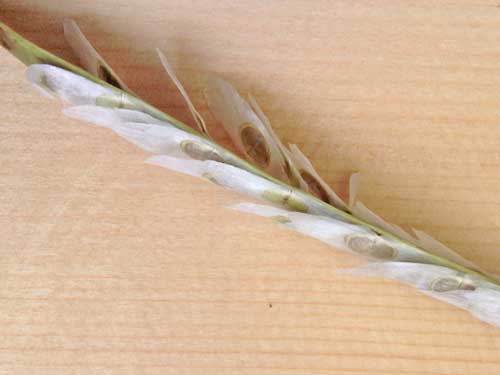
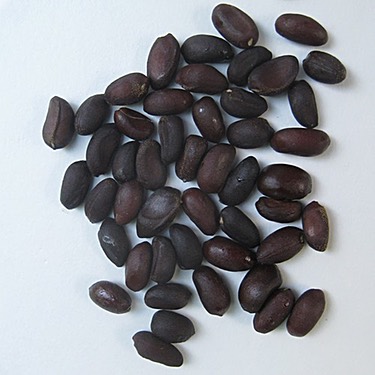
I started the Tecoma stans seeds the first week of November.

Tecoma Seeds

Tecoma Seeds

The plants were small, but popped them in the garden a few weeks ago.

I noticed that when the squirrel dug up my garden, for the umpteenth time,

Squirrel Damage

this little plant was broken. Part of the stem was still attached.

Mended

I aligned the stem and taped it with cloth tape.
Used a skewer as a splint.
Then a small piece of bamboo as a stake to support the lot.
That was ten days ago.

Update…

Mended

Mended Plant in New Garden Location a Few Weeks After Mending

My irrigation system needs updating. I am waiting until I get all of the plants transplanted before I update the system. Currently I water the bed by hand. That is a good thing to monitor all of the new plantings. Soon most of the drought tolerant plants and the succulent garden will require only a few waterings per week.


Fish Tank, Cassia and Tecoma stans Blooms

While visiting my brother-in-law and his very cool wife, I checked out their room divider fish tank.

Unfortunately, I only had my old iPod with me. So, photos are lacking. The colors are so vibrant and the movement was mesmerizing.

A bit like watching succulents in movement… Yep, I have succulents on my mind.

Tank

Tank

Tank

Tank

Tank

Tank

Plan to go back to take photos.

Noticed the Cassia tree is blooming.

Blooms

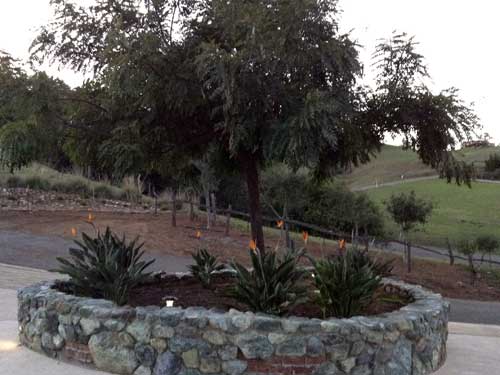
This is a photo I took of the same Cassia tree one evening in December, 2014. The tree is larger and the branches are full of buds and blooms that are nearly covering the bird of paradise.

Cassia Tree

Detail of beautiful pods from the Cassia tree I collected in 2014.

Cassia Tree Pods

Also noticed the Tecoma stans was in bloom.

Tecoma stans Flowers

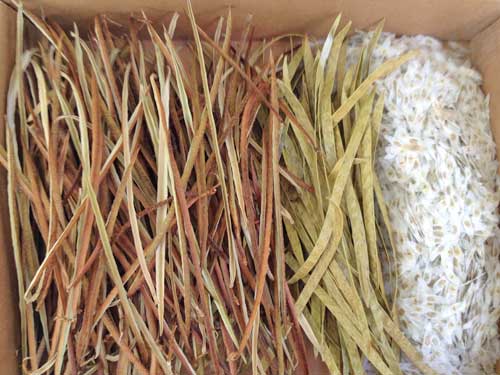
Snagged another handful of seedpods.