Crassula and Hydathodes

I am currently reading Fred Dortort’s book, The Timber Press Guide to Succulent Plants of the World: A Comprehensive Reference to More than 2000 Species.

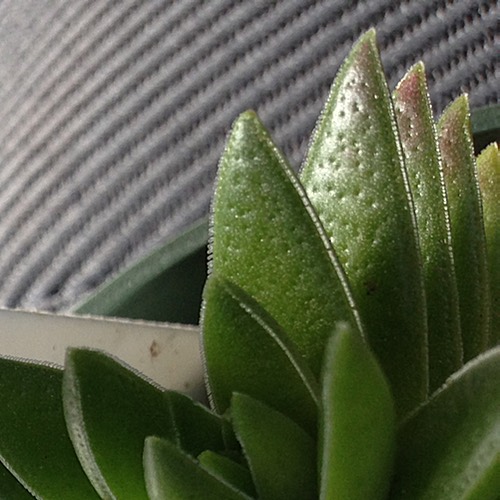
The book is filled with interesting information and loads of gorgeous images of plants. I was curious about hydathodes. The description from the book follows: their leaves are dotted with hydathodes, a kind of pore that enables wet-growing plants to expel water, but which dry-growing crassulas have reversed, turning them into water-absorbing organs.

I can visualize, but what do hydathodes really look like?

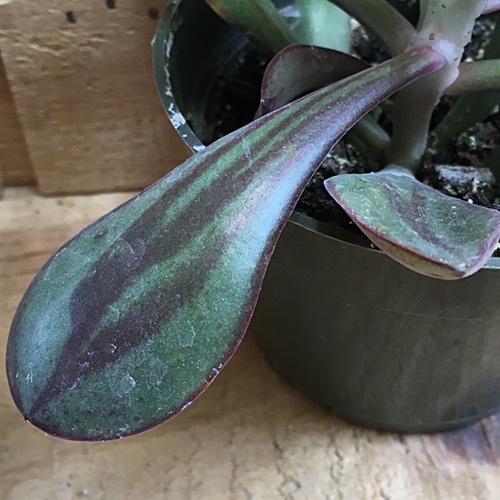
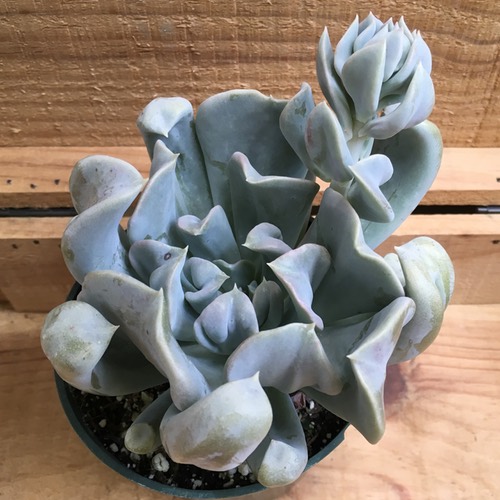
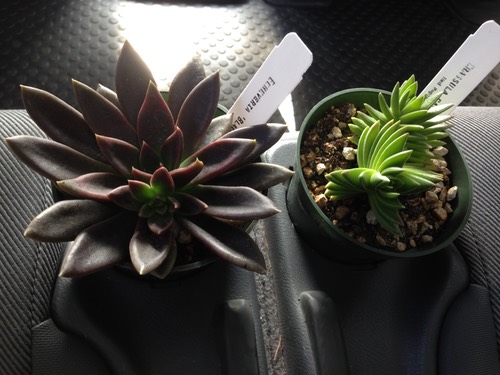
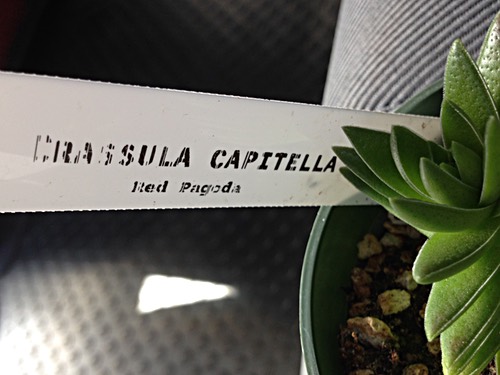
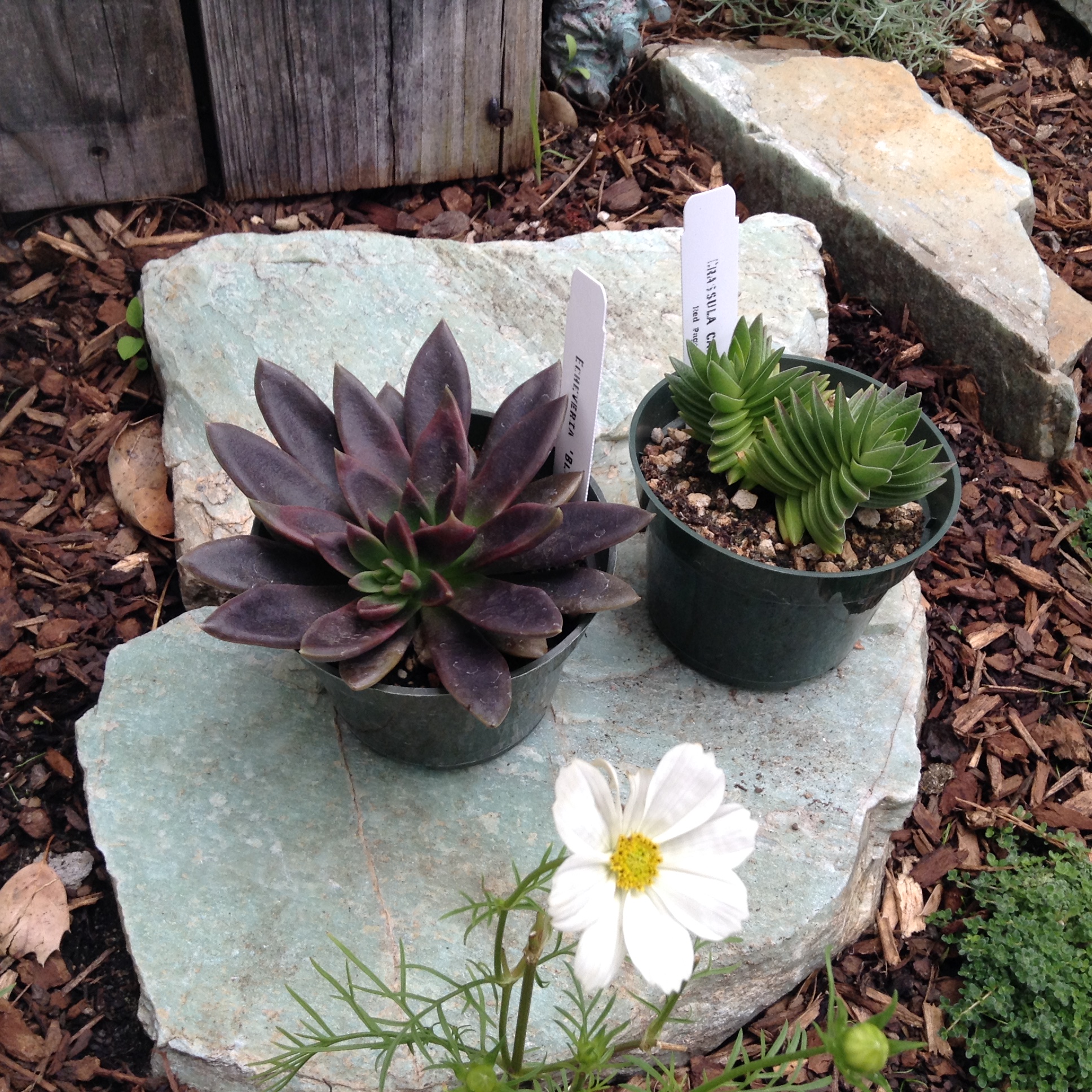
When I was editing photos for a previous post, I noticed what appeared to be pin pricks on the leaves of my new addition, a Crassula capitella Red Pagoda.

Red Pagoda

Example of Hydathodes on Crassula capitella Red Pagoda

It is exciting to read something interesting and then to see an example of it in person.


Misplaced Shoes

I have been thinking about compiling a series of misplaced shoes…those single shoes found in odd places.

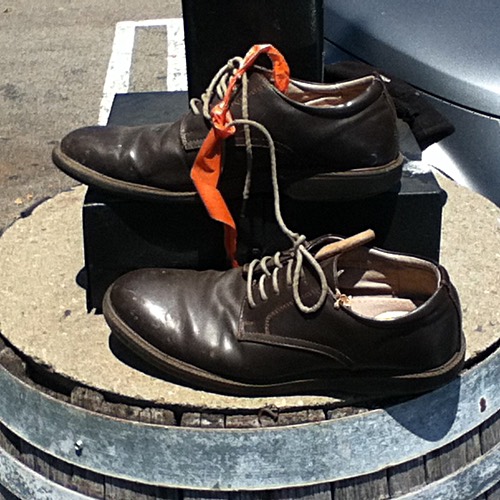
When I was in the grocery store parking lot I saw this pair of brown shoes.

Misplaced Shoes

I like a nice oxford. The shoes look like they would be comfortable. I would definitely wear them. Wonder if the owner of the misplaced shoes attached the orange strip of plastic. But, why would someone do that and then leave them behind?

To see one misplaced shoe is odd, to see a pair is peculiar.


Milkweed and Ants

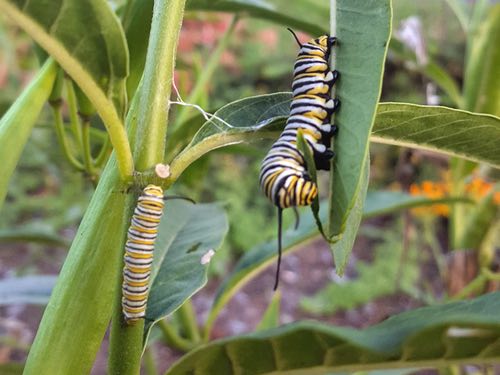
I visited a friend’s garden on November 1, 2016 to look at his milkweed plants covered with Monarch caterpillars.

Monarchs on Milkweed

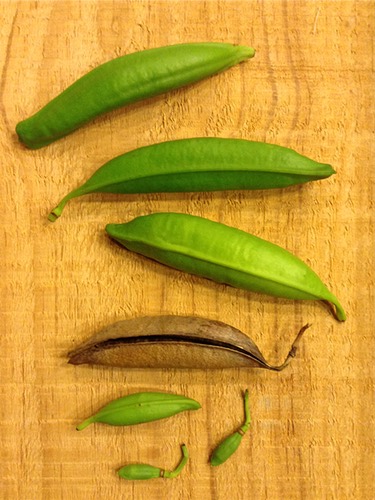
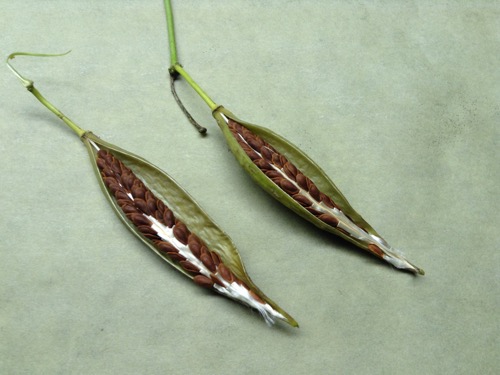
While there I collected milkweed seed pods.

Milkweed Seed pods

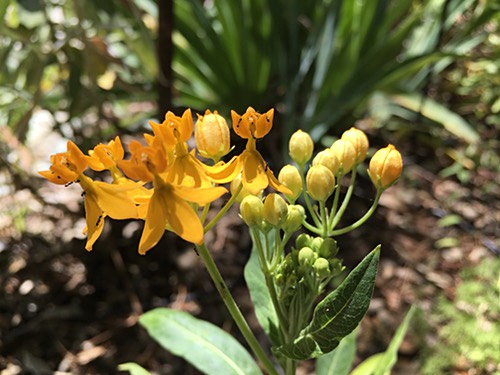
On November 3, 2016, I popped some of the seed in soil and today two of the plants are blooming.

Ants on Milkweed

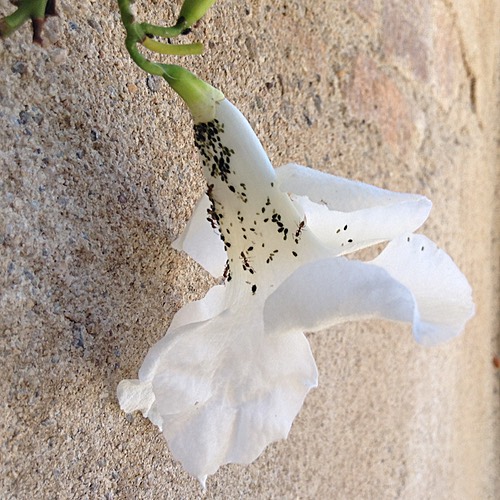
Curious why there are ants. Need to take a better look. It doesn’t appear that there is some other insect activity which is often the case. Ants are known for herding aphids for their honeydew.

My hope is that the milkweed can help the Monarch population. Recently I saw a sign posted at a local nursery that stated the exotic milkweed should be cut to the ground in the fall to prevent protozoan infection by Ophryocystis elektroscirrha (OE).

To read about the possibility of attempting to do something good that could have unwanted consequences, check out the Monarch Joint Venture site.

Post Written on Day of Planting


Casemaking Again

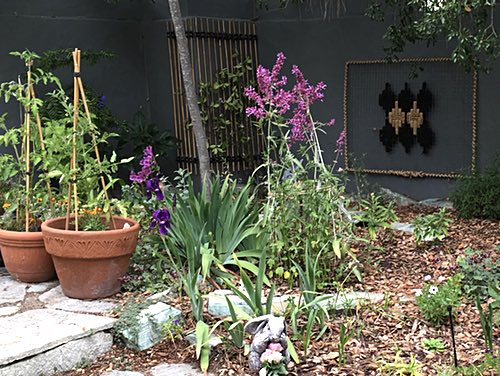
I am in the process of making a trellis for the courtyard wall. It will be similar to the trellis on the wall that wraps around the corner. I needed a piece of 1″ fence to use as a support for the vertical bamboo pieces.

Trellis

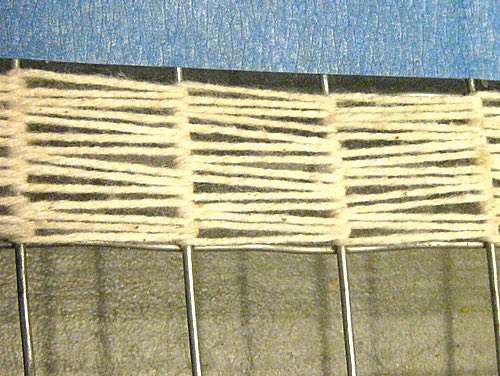
I found a piece of fence that was to have been used in a project with cotton twine. The cut bits are sharp unless they are ground down, so the edge was taped until a border was attached.

Taped Fence

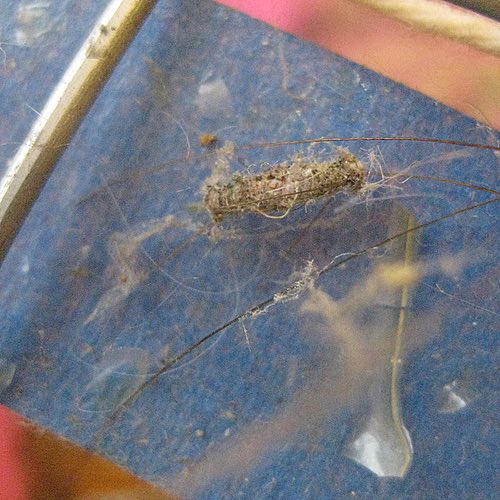
When I flipped the piece of fence over, I noticed casemaking moths attached to the tape. For insects that are supposed to be particularly fond of animal fiber, they sure seem to show up on loads of surfaces.

Casemaking

Not sure if they are alive. Seeing them did remind me to try placing items that may have been exposed to casemaking moths in the trunk of the car. An entomologist that I met while hiking, mentioned exposing the casemaking moths to the heat in the car over a period of a couple of weeks. He seemed to think the exposure should kill all forms of the casemaking cycle.

I do not like killing anything, but the casemaking moths can’t seem to stay outside, away from my studio work and sweaters. Frustrating, but not the bane of my existence.


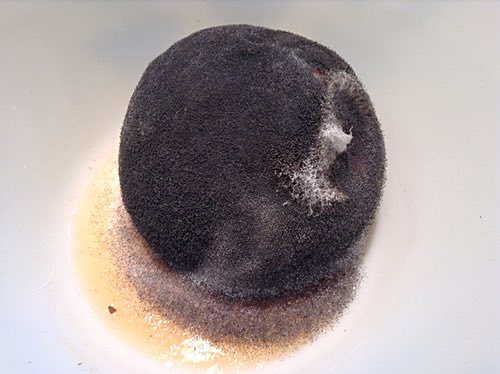
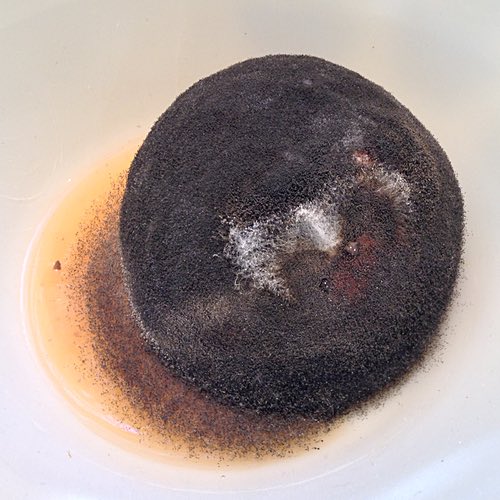
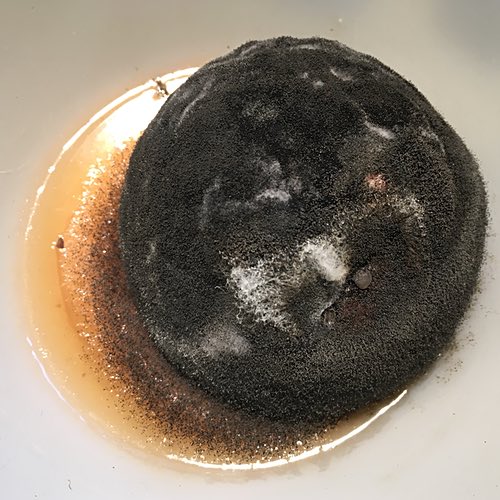
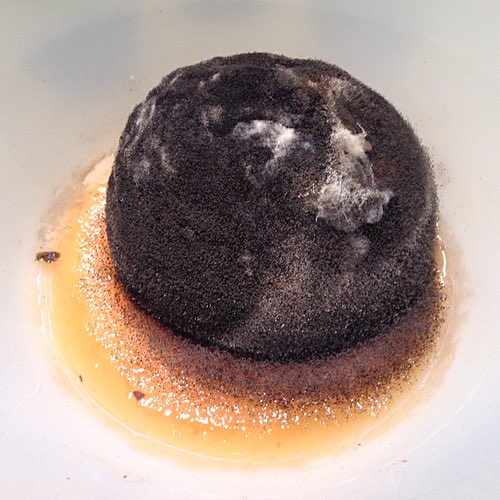
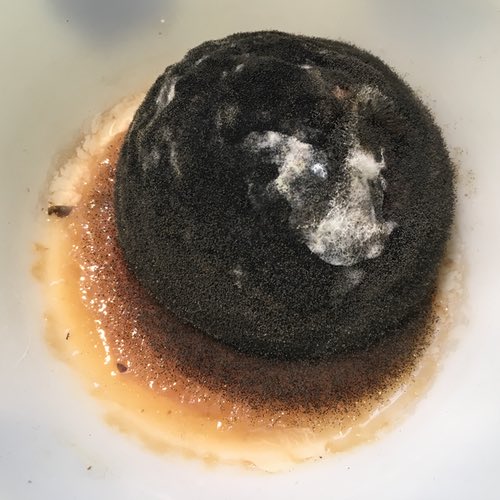
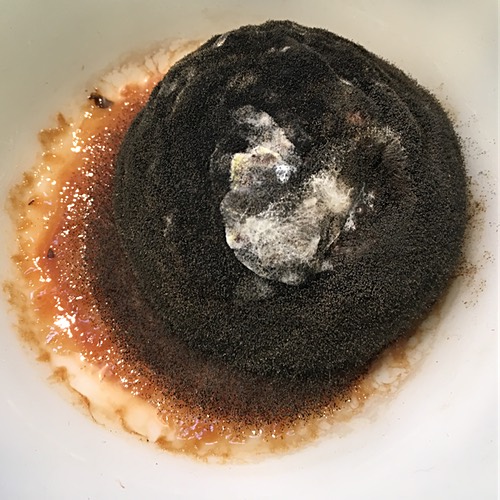
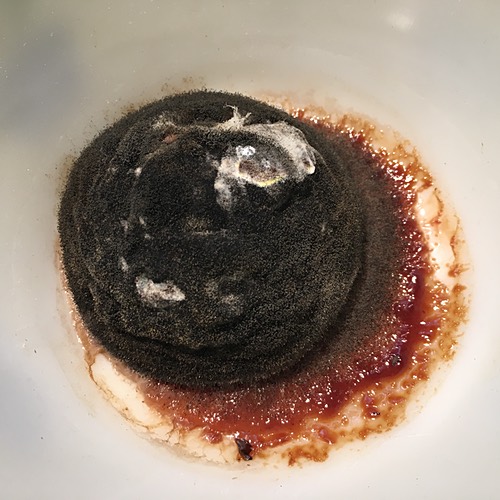
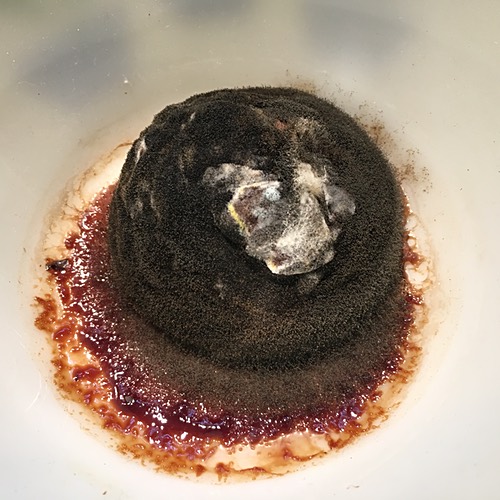
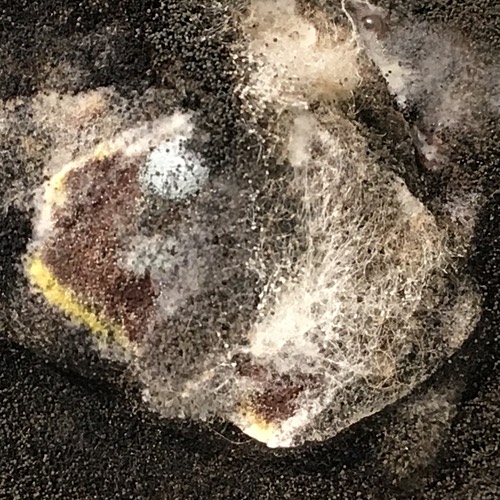
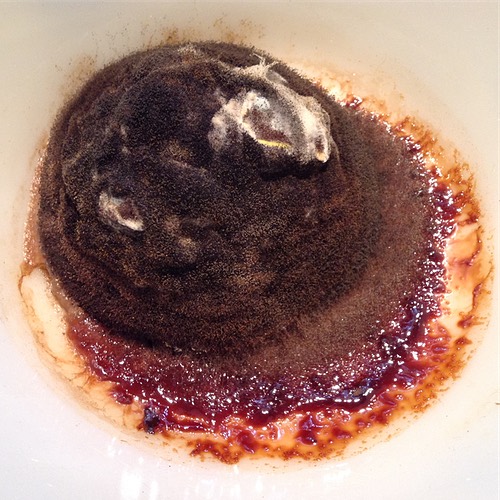
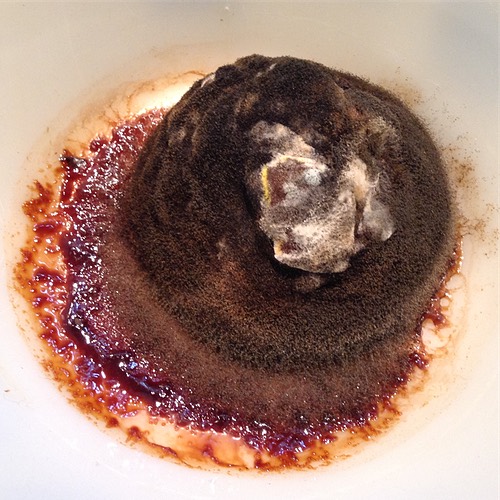
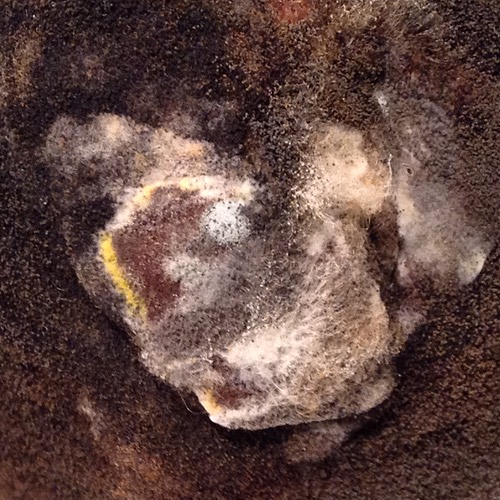
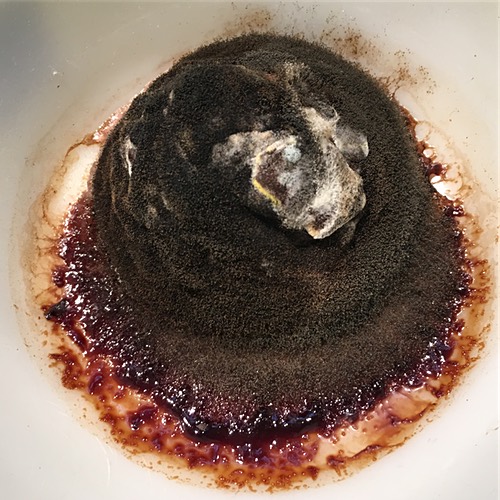
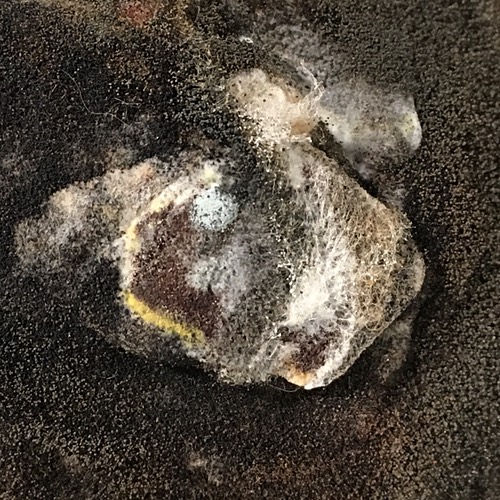
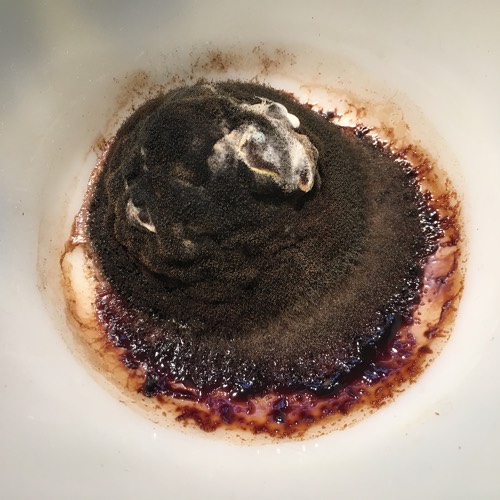
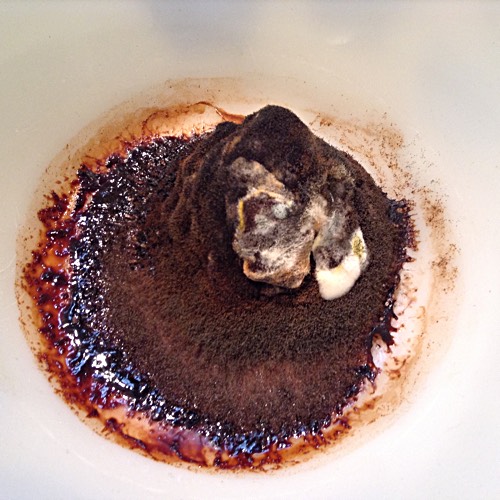
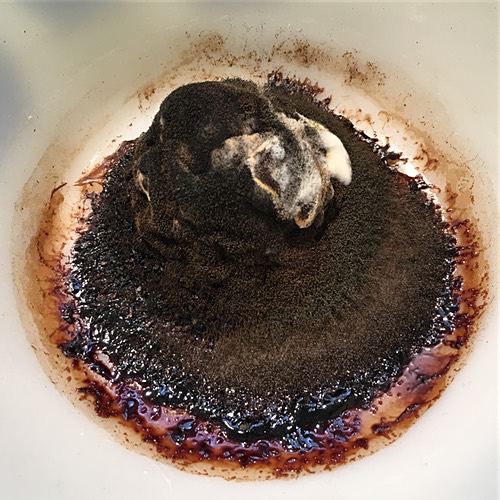
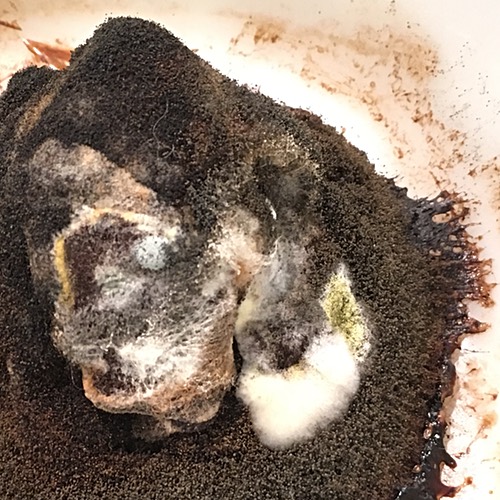
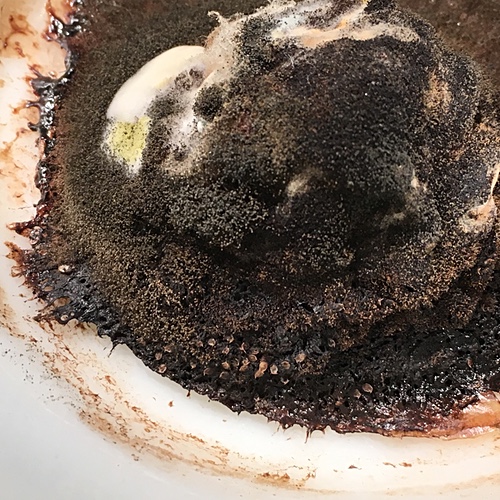
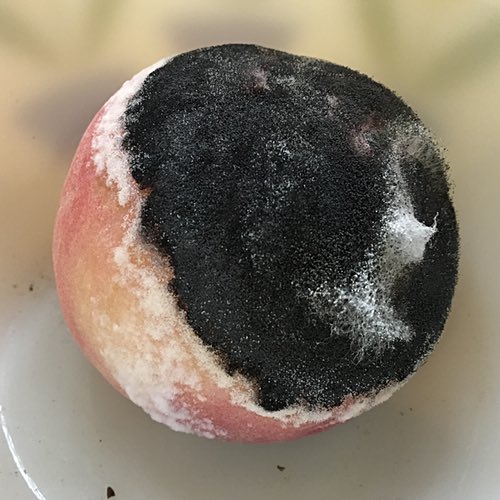
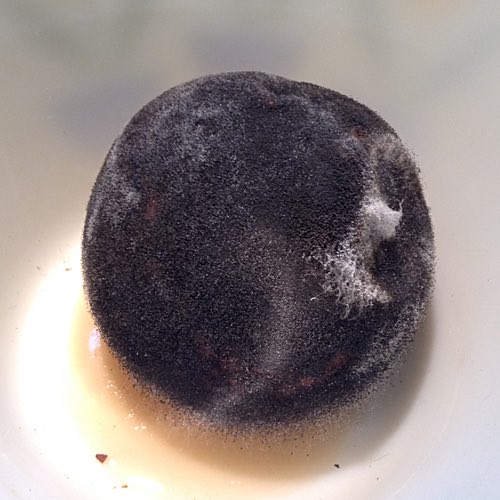
The Peach at the Bottom of the Bowl

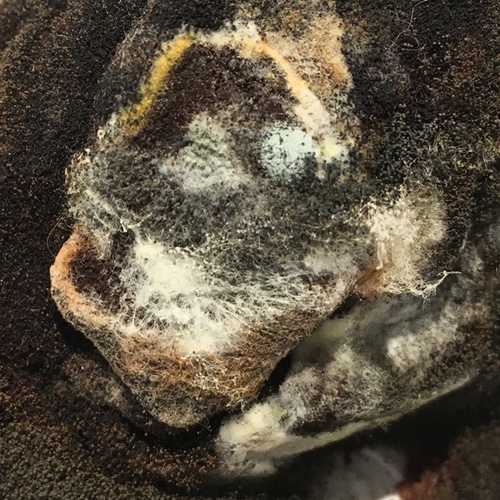
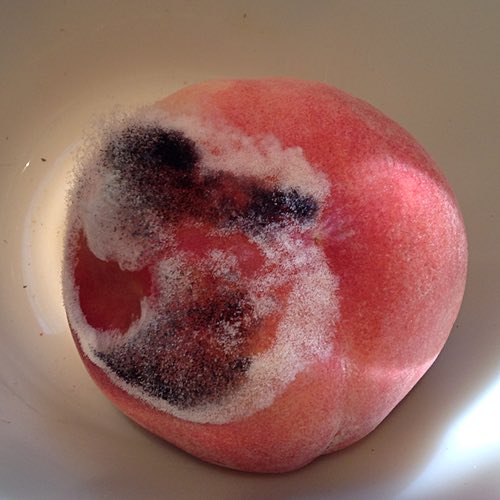
Peach Mold

Monday

Peach Mold

Tuesday

Peach Mold

Wednesday

Peach Mold

Thursday
Fragrance–Essence of Peach

Peach Mold

Friday
The syrupy liquid is smelling a bit bad and the peach is beginning to collapse.
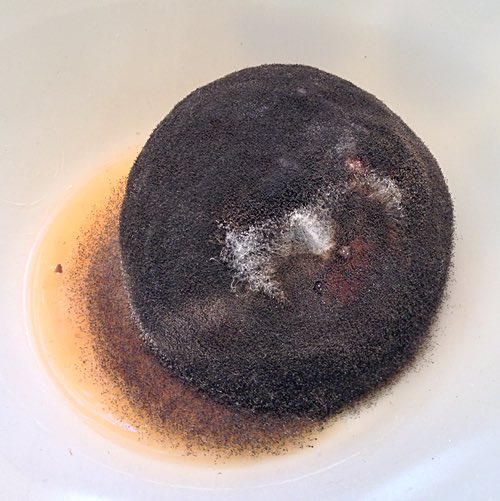
Peach Mold

Saturday

Peach Mold

Sunday

Peach Mold

Second Monday

Peach Mold

Second Tuesday

Peach Mold

Second Wednesday

Peach Mold

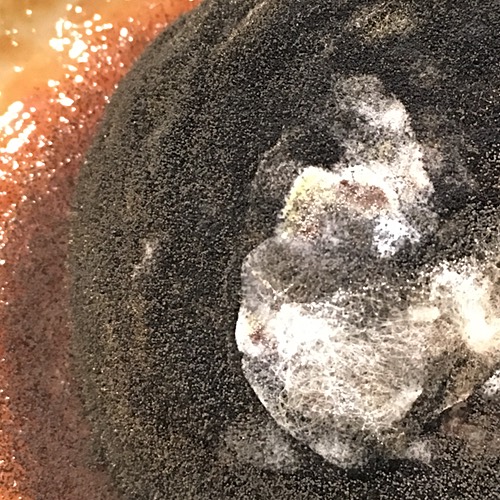
Wednesday Increased Luminance to Show Detail
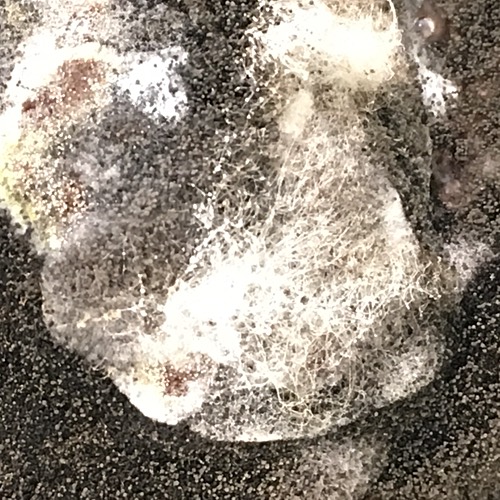
Peach Mold

Wednesday Zoomed In and Increased Luminance to Show Detail
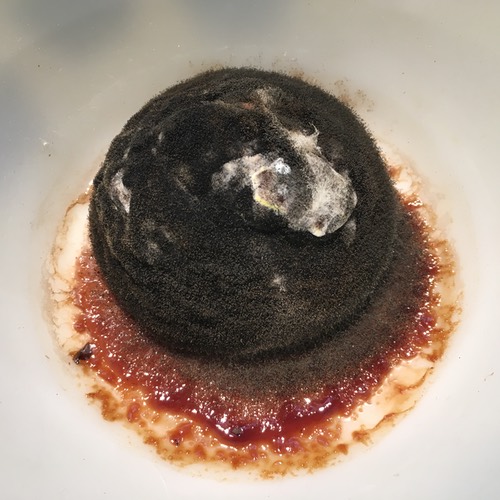
Peach Mold

Second Thursday

Peach Mold

Second Thursday View 2

Peach Mold

Second Friday

Peach Mold

Second Friday Detail

Peach

Second Saturday

Peach

Second Saturday Detail

Peach

Second Saturday

Peach

Second Sunday

Peach

Second Sunday Detail
Curious if the small blue patch will increase in size.
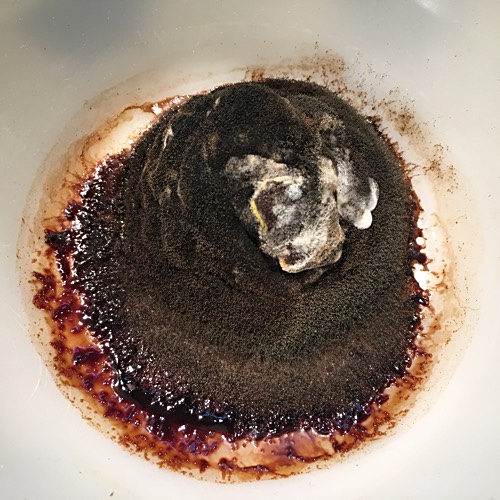
Peach

Third Monday

Peach

Third Monday View 2

Peach

Third Monday Detail

Peach

Third Tuesday

Peach

Third Wednesday

Peach

Third Wednesday Detail

Peach

Third Thursday

Peach

Third Friday

Peach

Third Friday Detail

The folks I live with decided it was time to remove the peach from the kitchen. Apparently, it was too fragrant for them. I had hoped to keep it until it became totally dry. When I flipped it over there was a lot of dampness surrounding the stone.
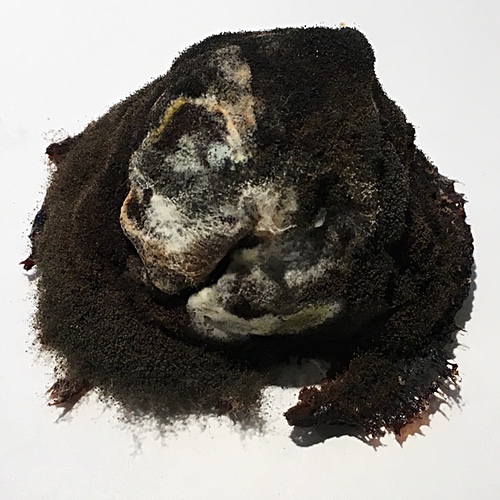
Peach

Third Friday Evening

Peach

Third Friday Evening Detail

Peach

Third Friday Evening Detail, Last Image Before Recycled

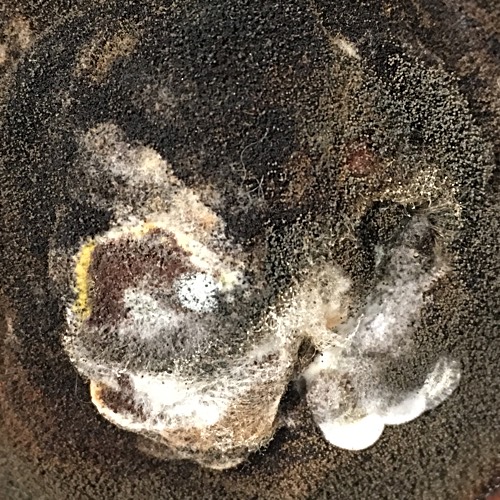
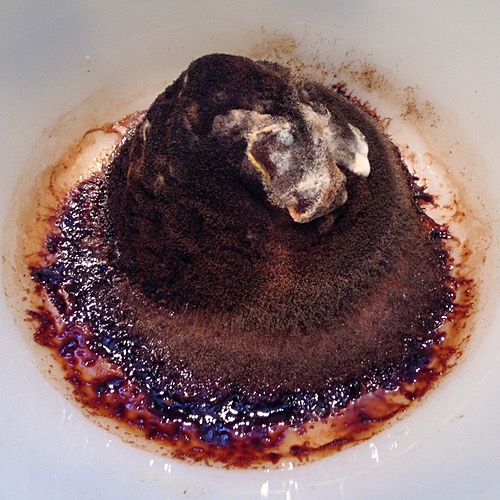
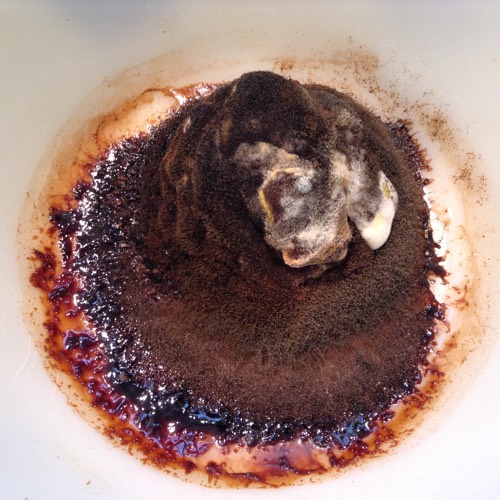
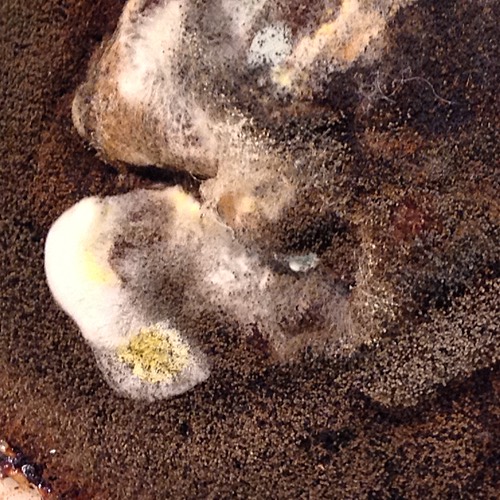
It may seem peculiar that I am documenting a molding peach, but it brings to mind the types of glaze surfaces I used on my work in the 80s and 90s.

This is a piece that I made while in undergrad at Ohio State University in the 80s. I was delighted to find actual lichen living on the piece. Surprised, but delighted.
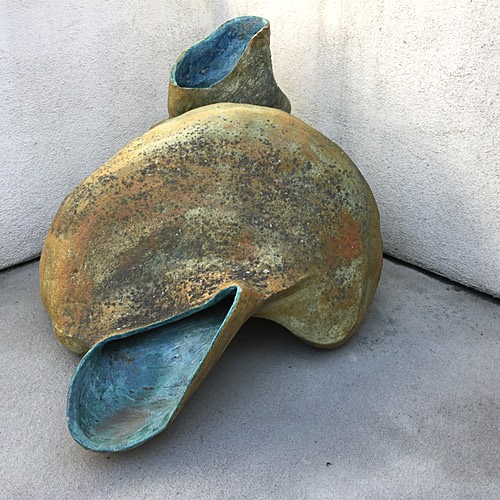
Lichen Glazed Piece

The pieces can be arranged in a couple of different ways, but this is how it has been positioned for over twenty years on our upstairs deck.
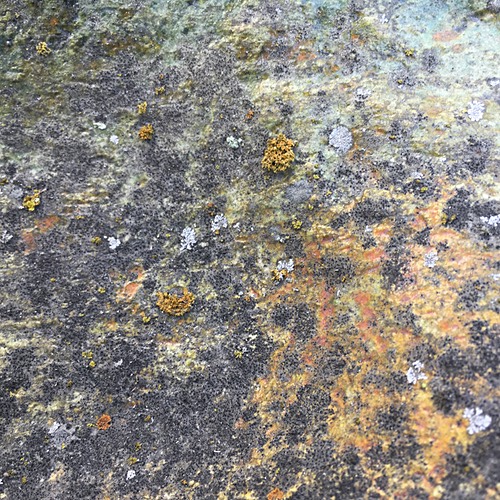
Lichen Glazed Piece

As was my process at the time, the piece was glazed multiple times. The base glaze was a lithium blue. It was followed with multiple red lead glazes. Yep, that was red lead with chromium dioxide.

When I was using lichen and lizard skin glazes, I was not looking at moldy peaches. Because I have used those glazes, I now look at mold growth.

Often people assume that a piece references something that is not part of the content. I believe that the reason this happens is because we view things through a filter of our experiences. The viewer’s interpretation may not be correct, but it is a way for them to access the piece.
Found Earrings, But Were They Really Lost

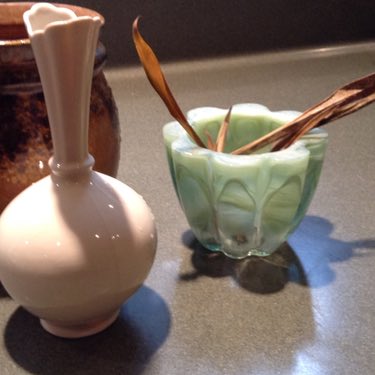
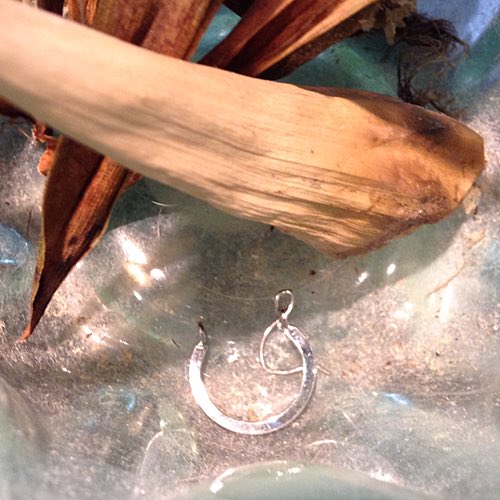
Today I was cleaning vases. When I looked in the green glass vessel,

Green Pot

I found a single earring.

Earring

Not sure why it was there. Rather than climbing the stairs and placing it in my jewelry box, I thought I would just put it in this fun little box.

Box

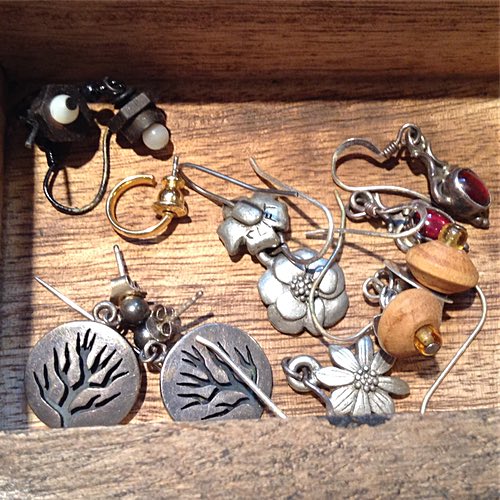
When I opened the box, I found this–

Earrings

I had been looking for the earrings for the past several months. I was sure that they were together and that I put them in a safe place. Just couldn’t remember where that safe place might be.

Now I know. Apparently, my subconscious believes that the little box with the metal lid is a safe place to store earrings. Well, and a nice needle.


A Girl Named Bob

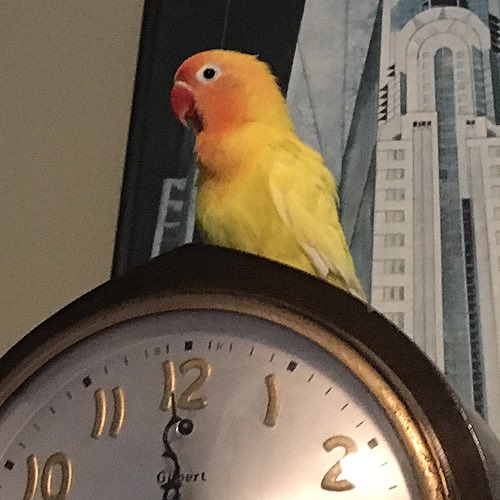
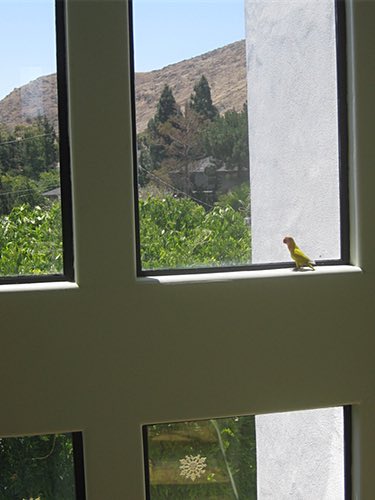
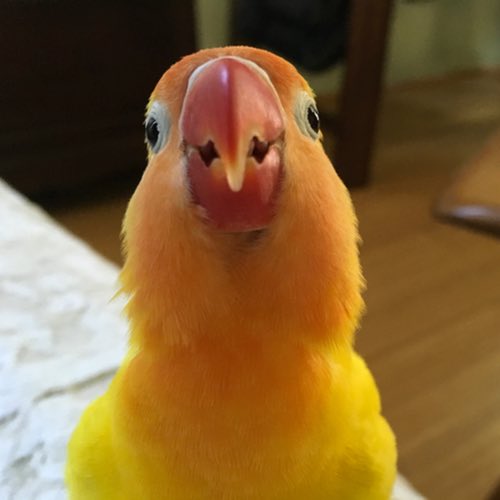
June 20th last year we rescued a lovebird, who came to be known as Bob.

Bob

The first week Bob was rescued, she escaped from her room.

Bob

Until a few weeks ago we thought Bob was a boy. Now it has been confirmed, she is a girl.

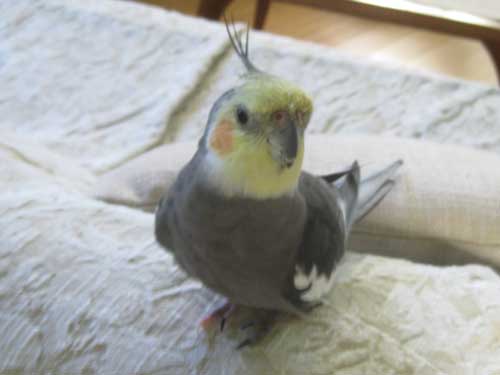
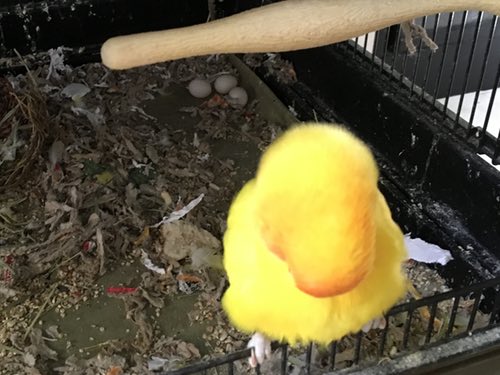
Bob began dancing for The Bird, the cockatiel who lives with us.

The Bird

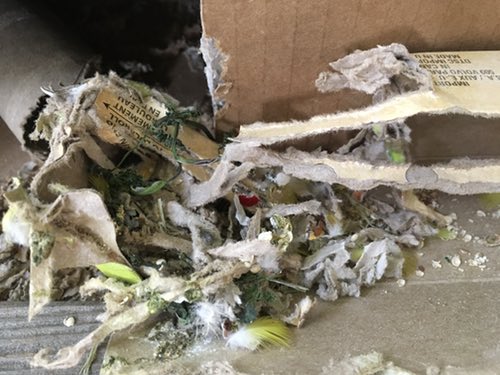
Then she began shredding everything shreddable which wasn’t unusual. But what was unusual was how much time she spent in her room and how quiet she became. No longer was she the 5:45 am bird alarm.

Bob

Because Bob loved to shred and dig around, we put several cracker boxes in the bottom of her room. She made a tunnel through them, and apparently this nest–

Nest

that she wasn’t using.

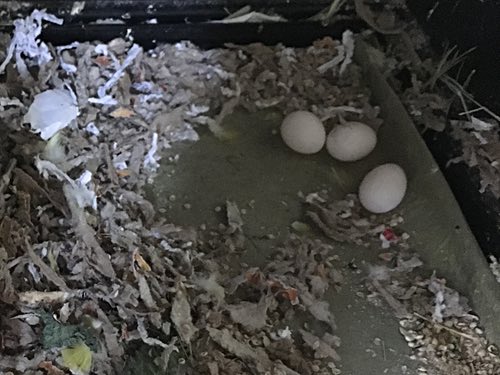
And this space hidden under the boxes that she was using–

Find Under Box

Apparently she even shredded two baskets.

Eggs

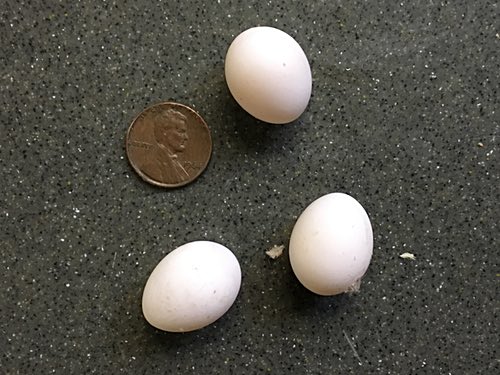
How large are lovebird eggs?

Eggs

We decided to remove the eggs and all shreddable materials from her space. She seems okay. We will watch to make sure she really is okay. A friend who raised lovebirds, mentioned egg binding. That would be bad.

Today she seems to be her cheerful self.

Now what to do with the eggs. I was thinking about burying them in the garden.